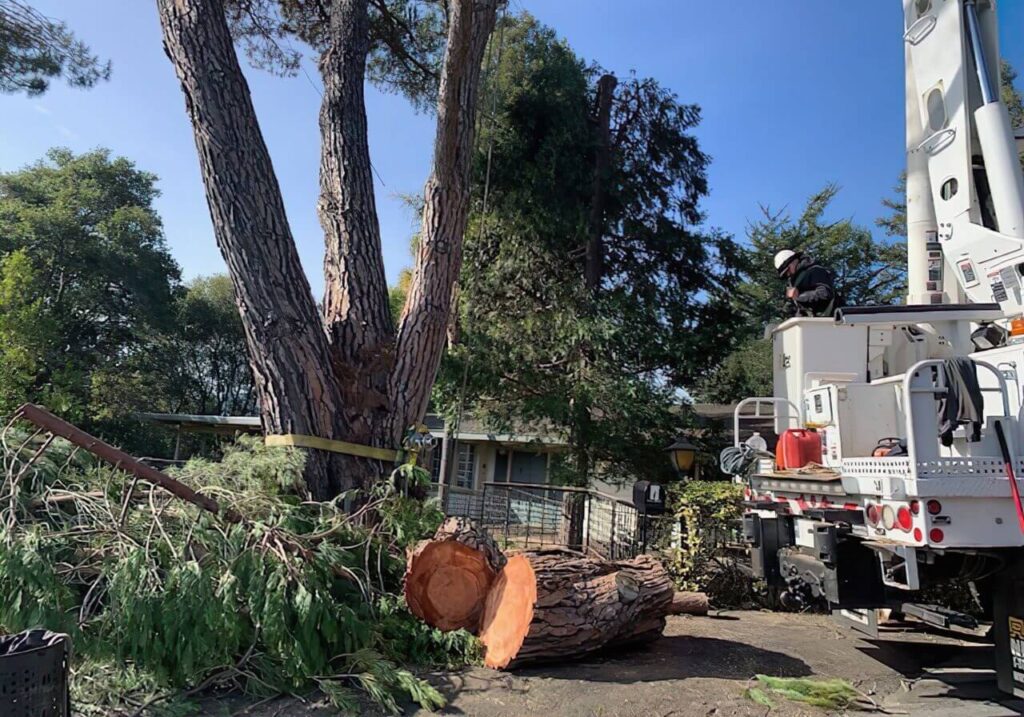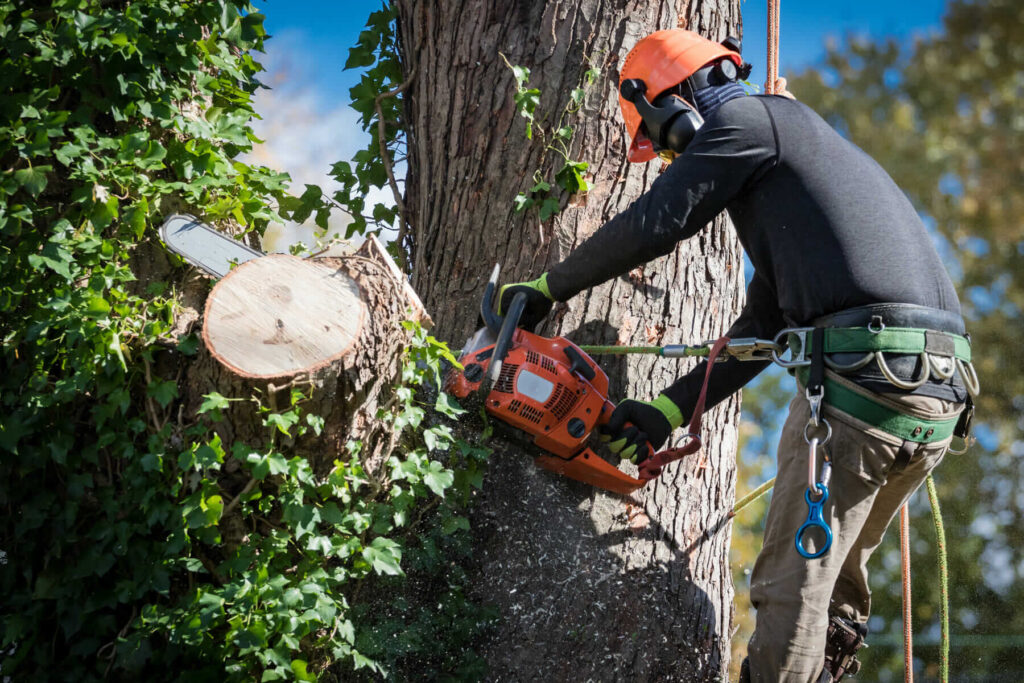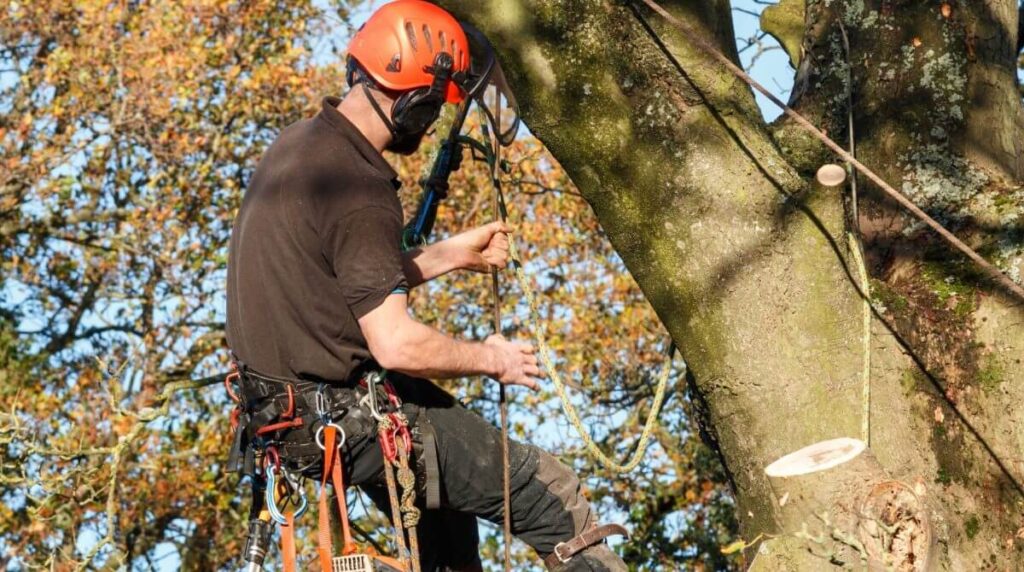
Below are seven pricing factors that typically influence what they pay, plus a simple way to get an accurate quote.
What is the average tree trimming cost?
Most homeowners see tree trimming cost calculated either per tree or per hour, and the total often lands in the low hundreds for straightforward work. Costs climb when the job involves height, hazards, complex access, or specialty equipment.
Because pricing is highly site-specific, the “average” is best treated as a reference point, not a guarantee. A proper estimate comes from what the crew will actually need to do on-site.
How does tree size and height change the price?
Bigger trees cost more to trim because they take longer and demand more control. As height increases, crews may need advanced climbing, rigging, and extra staff to lower limbs safely.
Large canopies also generate more debris, which adds handling and disposal time. In practice, size is one of the fastest ways a quote moves from basic to premium.
Why does the tree’s condition affect trimming costs?
Tree health changes the level of risk. Dead, cracked, storm-damaged, or diseased limbs can fail unpredictably, so crews must move slower and use more conservative rigging.
If the tree is unstable or partially uprooted, they may recommend a different approach entirely, sometimes closer to removal work than routine trimming. That added risk and planning usually shows up in pricing.
How do nearby hazards like power lines and structures increase pricing?
If branches hang over a roof, driveway, fence, or pool, they cannot simply drop material to the ground. They often must rope each limb down in smaller pieces, which adds time and equipment.
Work near power lines can be even more expensive. Many companies require specialized training, extra safety steps, and coordination rules, and some jobs may need the utility provider involved. All of that increases labor hours and liability.
How does access to the tree impact the final quote?
Access determines how efficiently a crew can work. A tree in an open front yard with a clear path for a truck is faster than one behind a house with narrow gates, steep slopes, or fragile landscaping.
Limited access can force them to carry debris farther, use smaller equipment, or climb when a bucket truck would be quicker. If they need to protect lawns, patios, or garden beds, setup time can rise as well.
What role does the type of trimming play in the total cost?
Not all trimming is the same. A light prune to remove small deadwood is very different from a heavy crown reduction or a structural prune that reshapes the tree.
Common trimming scopes that affect price include:
- Crown cleaning: removing dead, crossing, or weak branches
- Crown raising: lifting the canopy for clearance over streets or walkways
- Crown reduction: reducing height or spread, typically more labor-intensive
- Thinning: selective interior cuts to improve airflow and reduce weight
The more cuts they need to make, and the larger the wood being removed, the higher the cost tends to be.
How do cleanup, chipping, and hauling change what they pay?
Debris handling is often a major part of the bill. If they include chipping, hauling, and disposal, the price usually rises, but it also saves the homeowner from a huge pile of limbs.
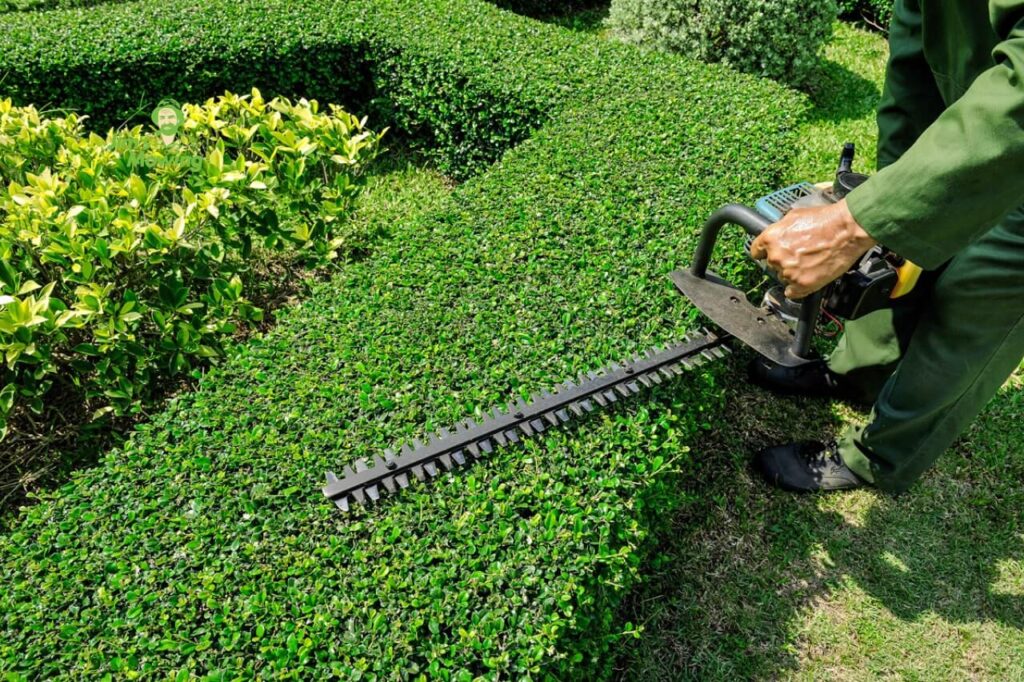
Some companies offer lower quotes if they leave wood on-site, cut it into manageable pieces, or chip it into mulch for the yard. The key is to confirm what “cleanup” actually includes, since it varies by provider. Learn more about stump removal cost: what should you expect to pay?
Why do timing and local market conditions influence tree trimming pricing?
Scheduling affects cost more than many people expect. After storms or during peak growing seasons, demand spikes and reputable crews book out, which can push prices up.
Local factors matter too: labor rates, disposal fees, permit requirements, and insurance costs differ by city and region. Even within the same town, pricing can vary based on how busy they are and how far they must travel.
How can they get an accurate tree trimming estimate?
They get the most accurate number by requesting at least two or three on-site quotes with the same scope. They should ask each company to specify exactly what is included: trimming method, cleanup level, disposal, and whether stump or log handling is part of it.
It also helps to ask these quick questions:
- Are they insured and can they provide proof?
- Will they use a bucket truck, climb, or both?
- Is debris hauling included, and will they rake and blow the area clean?
- Will they provide a written scope describing which limbs will be cut?
Tree trimming cost is ultimately a mix of safety, complexity, and time. When they understand these seven factors, it becomes much easier to compare quotes and choose a crew that is priced fairly for the work involved.
FAQs (Frequently Asked Questions)
What is the average cost of tree trimming for homeowners?
Most homeowners can expect tree trimming costs to be priced either per tree or per hour, typically landing in the low hundreds for straightforward jobs. However, costs increase with factors like tree height, hazards, complex access, or specialty equipment. Since pricing is highly site-specific, the average should be used as a reference point rather than a guarantee.
How do tree size and height affect the price of tree trimming?
Larger trees cost more to trim because they require more time and control. Taller trees may need advanced climbing, rigging, and additional staff to safely lower limbs. Bigger canopies also produce more debris, increasing handling and disposal time. As a result, size is one of the fastest ways quotes shift from basic to premium pricing.
Why does the condition of the tree influence trimming costs?
The health of a tree impacts risk levels during trimming. Dead, cracked, storm-damaged, or diseased limbs can fail unpredictably, requiring crews to work slower with more conservative rigging techniques. Unstable or partially uprooted trees might need approaches closer to removal than routine trimming, which adds planning and risk that reflects in higher pricing.
How do nearby hazards like power lines and structures increase tree trimming costs?
When branches hang over roofs, driveways, fences, or pools, crews cannot simply drop material to the ground; they must rope down limbs in smaller pieces, adding time and equipment needs. Working near power lines involves specialized training, extra safety steps, coordination with utility providers, increased labor hours, and liability—all contributing to higher costs.
What role does cleanup and debris removal play in overall tree trimming pricing?
Debris handling often constitutes a significant portion of the bill. Including chipping, hauling, and disposal raises the price but saves homeowners from managing large piles of limbs. Some companies offer lower quotes if wood is left on-site or chipped into mulch. It’s important to confirm what cleanup services are included since offerings vary by provider.
How can homeowners obtain an accurate estimate for tree trimming services?
To get an accurate quote, homeowners should request at least two or three on-site estimates with consistent scopes of work. They should ask companies to specify what’s included—trimming methods, cleanup level, disposal options—and inquire about insurance proof, use of bucket trucks versus climbing methods, debris hauling specifics, and written descriptions of which limbs will be cut. Understanding these details helps compare quotes fairly based on safety, complexity, and time involved.