Blog

How Commercial Real Estate Asset Management Improves ROI

How Commercial Real Estate Asset Management Improves ROI

Simple because the goal is obvious. You want the asset to make more money than it costs to own and run. Complicated because a building is not a spreadsheet. It is people, leases, maintenance, compliance, debt, markets, timing. And a hundred small decisions that feel harmless until they stack up and quietly eat your returns.

That’s where commercial real estate asset management earns its keep. Not in the fluffy, corporate way. In the very practical, day-to-day, sleeves rolled up way that nudges performance upwards, protects downside, and keeps you from missing the obvious things that investors tend to miss when they are busy, where commercial real estate asset management functions as a core discipline for driving ROI, enhancing asset value, and optimising long-term investment performance.

This is about ROI. Real ROI. Cash yield, total return, value creation. And how good asset management gets you there.

ROI in commercial property, what we’re actually measuring

Before we talk tactics, it helps to say what “ROI” usually means in a CRE context. People use it loosely.

Most owners and investors look at a mix of:

  • Net Operating Income (NOI) growth (income minus operating expenses, before debt)
  • Cash on cash return (annual cash flow compared to equity invested)
  • IRR (time weighted return, including sale)
  • Equity multiple (how many times your money you got back)
  • Value uplift (often driven by NOI and cap rates)

The obvious lever is revenue. Raise rents, add income streams, reduce vacancy. The other lever is costs. Control opex, capex, utilities, insurance, rates. Then there’s timing and risk, which is where many returns are either made or quietly destroyed.

Commercial real estate asset management sits in the middle of all of that and basically says, ok, how do we run this thing like a business.

How Commercial Real Estate Asset Management Improves ROI

What commercial real estate asset management actually does (in plain language)

At a high level, commercial real estate asset management is the ongoing, strategic ownership function. It is not property management, although the two should work closely.

Property management handles execution. Asset management sets direction and pushes performance.

Typical responsibilities include:

  • Business planning and budgeting, then tracking actuals vs plan
  • Lease strategy, renewals, rent reviews, re-gearing, tenant mix
  • Oversight of property managers and key suppliers
  • Capex planning (what to spend, when, and why)
  • Performance reporting to investors or internal leadership
  • Financing strategy support (refinance timing, covenant monitoring)
  • Market positioning, ESG and compliance risk management
  • Exit planning and sale preparation

The best asset managers feel a bit like operators. They see the building as a machine that can be tuned. And yes, sometimes the “tuning” is unglamorous. Chasing arrears. Challenging service charge leakage. Fixing rubbish procurement. But the compounding effect is where ROI improves. If you want a structured operational optimisation framework, click here for asset performance improvement strategies.

The big ROI drivers asset management improves

1. Pushing rental income without poisoning the tenant relationship

Rent growth is not only “raise rent”. In reality, it is:

  • Rent reviews executed properly, on time, with evidence and negotiation strategy
  • Lease renewals approached early, with options mapped out
  • Re-letting void space with better terms, better covenant, better incentives
  • Tenant experience improvements that reduce churn and protect income

A lot of assets underperform simply because the owner is reactive. They start thinking about a renewal when the tenant has already mentally left. That leads to panic incentives and short leases, which hit value.

Commercial real estate asset management fixes this by running a lease events timetable like it’s sacred. You track critical dates. You model scenarios. You start conversations early. It is boring. It works.

And there’s a subtle point here. If you want higher rents, you need a credible story for why the tenant should pay them. That could be better common areas, better energy performance, faster maintenance response, smarter security, or even just a more professional landlord experience. Asset management connects those dots and makes sure capex is targeted to what actually supports rent.

2. Cutting operating costs in a way that doesn’t create bigger problems later

Everyone says “reduce costs”. Then they slash cleaning, delay maintenance, and wonder why occupancy drops and repair bills explode.

Smart cost control is different:

  • Benchmark utilities and push efficiency projects with real payback
  • Re-tender key contracts, not every year, but at the right time with the right scope
  • Audit service charges for recoverability and leakage
  • Reduce reactive maintenance by funding planned preventative maintenance properly
  • Challenge insurance and business rates assumptions
  • Use data to spot anomalies (water leaks, HVAC running out of hours, weird spikes)

This is where commercial real estate asset management earns money in small chunks. You might save 1 per cent here, 2 per cent there. But on a large income-producing asset, those “small” savings drop straight to NOI. And NOI is the engine of value. To understand how operational efficiencies translate directly into valuation uplift, learn more about net operating income optimisation in commercial real estate.

Even more important, lower opex can make your building more competitive. A tenant might accept a slightly higher rent if their total occupancy cost is stable and predictable.

3. Reducing vacancy time, which is basically return leakage

Void space is not just lost rent. It is also:

  • empty rates liability (depending on jurisdiction and reliefs)
  • service charge shortfalls
  • additional letting costs and incentives
  • perception issues, which can attract worse tenants

The difference between a six-month void and a three-month void is enormous over a hold period. And yet voids often run long because marketing starts too late, specs are unclear, or approvals drag.

Commercial real estate asset management improves this by planning void risk ahead of time. If a tenant has a break option, you treat it as real until it is removed. If a lease expires in 18 months, you are already deciding whether you refurbish, regear, split the space, or pre-let. More details here https://ecstonecare.com/asset-management-in-brisbane-what-property-investors-should-look-for/

Also, leasing decisions should be made with the exit in mind. A slightly lower rent with a stronger tenant and longer lease might increase sale value more than a higher headline rent stuffed with incentives and uncertainty.

4. Using capex like a scalpel, not a hammer

Capex can create ROI, or destroy it. Same spend, different result.

The role of commercial real estate asset management is to make capital decisions that are tied to a clear commercial outcome, such as:

  • unlocking higher rents through better specification
  • shortening letting periods by removing functional obsolescence
  • improving EPC ratings to protect liquidity and tenant demand
  • reducing operating costs through energy upgrades
  • repositioning the asset to a stronger tenant segment

A classic mistake is doing “nice to have” refurbishments because they look good in photos. Meanwhile the actual constraint to leasing is poor loading access, insufficient power, bad signage, tired toilets, weak air conditioning, no bike storage. Basic stuff. Tenants notice.

Good asset management asks awkward questions before spending money:

  • What is the payback period?
  • What does the market actually demand here?
  • Will this improve rent, occupancy, or exit price?
  • Is there a cheaper way to get 80 per cent of the benefit?
  • Are we solving the real problem?

5. Improving tenant retention, which is a hidden ROI multiplier

Retention is underrated. Keeping a good tenant avoids voids, incentives, legal fees, agent fees, fit out contributions, and disruption.

But retention does not happen because you send a Christmas card.

It happens because:

  • the building works
  • issues are resolved quickly
  • service charge is fair and transparent
  • there is a sense the landlord is organised
  • renewals are handled professionally and early

Commercial real estate asset management drives this by setting service standards and holding property management accountable. Not aggressively. Just consistently. Tenants usually do not expect perfection. They expect responsiveness and clarity.

And when a tenant is likely to leave, asset management should make that decision useful. If you know they will go, you can plan works, start marketing, and potentially reconfigure space to improve future leasing.

6. Better financing decisions, less risk, stronger equity returns

Debt can amplify returns or crush them. A small shift in interest rates, covenant headroom, or refinance timing can change your equity story.

Asset managers typically work with finance teams and lenders to:

  • monitor covenants and valuation sensitivity
  • plan refinances well ahead of maturity
  • assess fixed vs floating strategy
  • weigh up amortisation vs cash sweep vs distributions
  • model scenarios for NOI shocks and capex spikes

This matters for ROI because forced refinancing under pressure usually means worse terms. Or worse, forced sale.

Commercial real estate asset management is partly about avoiding that situation in the first place. It keeps the asset financeable and the story credible.

7. Data, reporting, and the discipline that stops drift

Some properties underperform because there is no feedback loop. The budget is made once a year, nobody really revisits it, and surprises are treated like weather.

Asset management installs rhythm:

  • monthly reporting with variance commentary
  • lease event trackers
  • arrears and credit risk monitoring
  • capex trackers and approvals
  • leasing pipeline visibility
  • market rent evidence and competitor review

This is where commercial real estate asset management feels a bit like running a portfolio company. Because it is. When you can see what is happening early, you can act while it is still cheap to act.

A simple example of how asset management adds ROI in practice

Let’s make it tangible.

Imagine a mid-sized office building with:

  • £1,500,000 gross rent
  • 10 per cent vacancy
  • £500,000 opex (recoverable and non-recoverable blended)
  • NOI roughly £850,000 after vacancy and costs (simplified)

Now, through focused commercial real estate asset management, you achieve:

  1. Reduce vacancy from 10 per cent to 5 per cent via earlier renewals and faster leasing
  2. Increase average rents by 3 per cent on renewals and new lets
  3. Cut controllable opex by 5 per cent through contract retenders and energy optimisation

Those three moves might lift NOI by, say, £120,000 to £180,000 depending on the specifics.

Now apply a cap rate. Even a conservative 6 per cent cap rate means every £100,000 of NOI is roughly £1.67m of value.

So yes, these “operational” changes can create millions in value. Not always instantly. But it compounds.

That is the ROI effect of commercial real estate asset management. It converts operational discipline into value.

The underrated part: risk management that protects ROI

ROI is not only upside. It is avoiding the big hits.

Asset management protects returns through:

  • compliance and statutory risk control (fire safety, asbestos, lifts, legionella, you name it)
  • managing tenant credit exposure and arrears early
  • insurance adequacy and claims support
  • ESG risk mitigation (especially where regulations tighten and liquidity shifts)
  • obsolescence planning (services, layouts, energy performance, digital connectivity)

A building that becomes “hard to let” is a building that becomes “hard to value”. The market is not forgiving about dated assets anymore, especially in certain office locations.

Commercial real estate asset management is essentially the role that keeps the asset relevant.

How Commercial Real Estate Asset Management Improves ROI

Portfolio level benefits, not just single building wins

If you manage multiple assets, ROI improves further because you can:

  • standardise reporting and KPIs
  • consolidate supplier procurement
  • share leasing intel across sites
  • rotate capex to the best risk adjusted opportunities
  • create consistent tenant experience and brand reputation

This is where commercial real estate asset management starts to look like a proper platform. And platforms generally attract better capital, better debt terms, and better exit options.

How to tell if your asset management is actually working

A few simple signs, and they are not fancy:

  • Lease events are tracked and acted on early, not late
  • Budgets are real, variances are explained, and actions follow
  • Void periods are planned, not panicked
  • Capex is tied to outcomes, with post project review
  • Tenant issues are visible to ownership, not buried in inboxes
  • Market evidence is current, and pricing decisions are rational
  • Your investor reporting tells the truth, even when it is uncomfortable

If those are in place, commercial real estate asset management is probably improving ROI already. Even if it feels slow.

Because it is cumulative. It is the consistent removal of friction.

Closing thoughts

Most commercial properties do not fail because of one catastrophic event. They underperform because of drift. Small delays, soft renewals, lazy cost creep, capex that isn’t doing anything, decisions made too late.

Commercial real estate asset management is the discipline that stops the drift and turns a building into a controlled, improving business. More NOI, fewer surprises, better leasing outcomes, smarter capex, safer debt positions. The ROI improvement is not magic. It is management. Done properly. Repeatedly.

And yes, it is a bit relentless. But that’s kind of the point.

Asset Management in Brisbane: What Property Investors Should Look For

Asset Management in Brisbane: What Property Investors Should Look For

So when people say “just get a property manager”, it sounds simple. But what you actually want is asset management in Brisbane, not just somebody collecting rent and emailing you once a quarter with a generic inspection report.

Because the difference shows up in your bank balance. And in how often your phone buzzes with problems you should not be dealing with.

This is a practical, investor-focused look at what to check, what to ask, and what good looks like when it comes to asset management in Brisbane.

Property management vs asset management (they are not the same thing)

Here’s the easiest way to think about it.

Property management is day-to-day. Rent in, repairs, tenancy paperwork, routine inspections, arrears follow-ups.

Asset management is bigger picture. It is strategy. It is performance. It is protecting the value of the property and pushing the return higher over time. It is also knowing when not to spend money, which is just as important, referencing http://performanceproperty.com.au/divisions/asset-management/ as a direct access point for strategic service structures and portfolio management systems.A solid asset manager will still do the basics, obviously. But they will also ask things like:

  • Is the rent actually at market, or just “close enough”?
  • Are we attracting the right tenant for this property type and suburb?
  • Which repairs are urgent, which are optional, and which upgrades will lift rent and reduce vacancy?
  • What is the plan for the next 12 to 24 months?

That is the level you want from asset management in Brisbane. Otherwise you are paying a fee for admin.

Local suburb knowledge that is specific, not generic

Brisbane is not one market. It is lots of small markets stitched together.

A manager who genuinely understands your patch should be able to talk in specifics without fumbling, for example:

  • What tenant profile dominates here right now (families, students, young professionals, downsizers)?
  • What features are becoming non-negotiable (air con, dishwasher, NBN readiness, secure parking)?
  • What is sitting on the market too long and why?
  • Are there upcoming projects that will influence demand, traffic, noise, or desirability?

This matters because asset management in Brisbane is partly about timing. Small timing mistakes cost real money. Listing two weeks too late. Pricing slightly wrong. Accepting a “fine” tenant because you are over the vacancy.

You want someone who can say, calmly, “In this suburb, at this price point, we should be seeing X enquiry and Y days on market, and here is what we do if we do not.”

Asset Management in Brisbane: What Property Investors Should Look For

A clear rental strategy (and yes, it should change over time)

Many investors underprice their property because they are scared of vacancy. Others overprice it because they read a headline about Brisbane rents and assume it applies to their exact street.

Good asset management in Brisbane is balanced. It is data-led, but also practical.

What you should look for:

1) A proper rent review process

Not just “we reckon we can get another £20”.

You want to see:

  • Comparable properties (not from six months ago)
  • Current competition, what else is available right now
  • A suggested rent range, not a single magic number
  • An explanation of risk, like how much extra vacancy would erase the gain

2) The ability to choose the right leasing approach

Sometimes a slightly lower rent gets you:

  • Better tenant quality
  • Longer tenancy length
  • Fewer maintenance issues (yes, it happens)
  • Less vacancy over the year

Other times, pushing the rent is absolutely the right move. But it needs to be justified. And tracked. Asset management in Brisbane should include measuring the outcome, not just making a call and moving on.

Tenant quality and screening standards (this is where money is made or lost)

Here’s the uncomfortable truth. A “bad” tenant is rarely a surprise. The signs were usually there. Rushed approvals. Incomplete applications. Weak references. A manager who is tired, busy, or chasing volume. This is why institutional operators rely on a tenant screening and leasing risk management framework to standardise approvals and reduce portfolio-level default exposure.

So ask how screening actually works, not the polite brochure version.

Things that signal strong asset level thinking:

  • Verification of employment and income, not just “they said they work at…”
  • Checking previous tenancy history properly, not just one reference call
  • Clear standards around affordability and rent to income ratios
  • A realistic view of risk (for example, how they handle applicants with limited rental history)

Good asset management in Brisbane is partly about protecting your asset from preventable damage. And partly about protecting your time and mental energy too.

Vacancy management that is proactive (not reactive)

Vacancy is not just lost rent. It is also advertising costs, letting fees, extra cleaning, and the risk of accepting the wrong tenant because you are sick of it being empty.

So what do you want to see?

A tight re-letting timeline

A strong manager will have a process that starts early, like:

  • Checking in with the tenant well before lease end
  • Re-signing early if the tenant is good
  • Planning any works immediately after vacating, not “whenever the trades are free”
  • Listing quickly with quality photos and a decent description

Marketing that actually sells the property

Not three dark photos and “close to shops”.

It should include:

  • Bright, current photos (not from 2017)
  • A listing copy that highlights what tenants care about in that suburb
  • Open times that suit tenant demand, including weekends if needed
  • Quick follow-up on enquiries

This is basic, but weirdly, lots of people still get it wrong. And you end up paying for it. Asset management in Brisbane should treat vacancy like a problem to prevent, not a situation to accept.

Maintenance control without cheaping out

Maintenance is where many relationships fall apart. Owners feel overcharged or kept in the dark. Managers feel like owners are unrealistic. Trades feel blamed for everything. Tenants feel ignored. And then you get a negative review or a tribunal threat. Fun. If you want a structured framework for reducing maintenance disputes and improving communication flow, click here for property maintenance governance strategies.

Good asset management in Brisbane is not about spending the least. It is about spending smart.

What to look for:

1) Clear maintenance approval levels

For example, “anything over £X requires approval”. That is fine, but ask what happens in urgent situations. Burst pipe. Hot water failure. Electrical safety issues.

You want a manager who can act quickly when needed, but who also communicates properly. Not after the invoice lands.

2) A trusted trade network and transparent pricing

Ask:

  • Do they use in-house maintenance, preferred suppliers, or open quotes?
  • Do they add a margin, and if so, how much?
  • Do they get multiple quotes for larger jobs?

A good asset manager will not be defensive about this. They will explain the system.

3) Advice on preventative maintenance

The best money is the money you do not have to spend later. Simple things like servicing air con, gutter cleaning, pest checks where needed.

In Brisbane, humidity and storms can quietly wreck a property over time. Asset management in Brisbane should include a plan to reduce long-term damage, not just patch things when they break.

Financial reporting that is useful, not just “here’s your statement”

You should not need an accounting degree to understand whether your property is performing.

Look for reporting that makes the key numbers easy to see:

  • Rent collected vs expected
  • Vacancy days
  • Maintenance spend broken down clearly
  • Arrears status and history
  • Net income trends over time

Even better, a manager who will highlight patterns, like:

  • “Your maintenance is rising because this property is ageing, here are two options.”
  • “Tenants keep asking for air con in this suburb, it is becoming standard.”
  • “We are seeing longer leasing times at this rent point, we should adjust.”

That is what asset management in Brisbane should feel like. Like somebody is actually steering the ship, not just logging receipts.

Knowledge of legislation and compliance (Queensland is strict for a reason)

If you are investing from interstate, Queensland rules can catch you out. Even local investors get tripped up because things change, forms change, notice periods matter, entry rules matter, and you cannot just wing it.

Your manager should be confident with:

  • Correct notices and timeframes
  • Entry requirements and inspections
  • Bond processes and evidence standards
  • Repair obligations and what is considered “urgent”
  • Smoke alarm compliance and ongoing responsibilities
  • Pool safety, if applicable

This is not the exciting part, but it is where risk lives. Proper asset management in Brisbane reduces the chance of you ending up in a dispute because someone used the wrong form or missed a date.

Communication style that fits how investors actually live

You do not want 15 emails a week about tiny things. You also do not want silence until something goes wrong.

Ask how they communicate and what you can expect:

  • Do they call for urgent items and email for routine updates?
  • How fast do they respond to owners, realistically?
  • Do they provide a summary after inspections, with clear actions?
  • Will you deal with one person or a rotating team?

Also, pay attention to how they speak in the first conversation. If they are vague, defensive, or salesy, that usually continues.

Good asset management in Brisbane feels calm. You feel informed, not overwhelmed.

Fees that make sense (and the hidden costs that matter more)

Everyone asks about management fees. Fair. But the cheapest manager is often the most expensive outcome.

Instead of only comparing percentage fees, compare:

  • Leasing fees and advertising costs
  • Renewal fees
  • Routine inspection fees
  • Tribunal attendance fees
  • Postage and admin charges
  • Maintenance markups or coordination fees

Then ask the more important question. What do you get for that money?

If a higher fee comes with better tenant selection, lower vacancy, and stronger rent growth, it can easily be worth it. That is the return mindset behind this approach. To explore performance-driven investing, learn more about commercial real estate ROI optimization.

A value add mindset (small upgrades, big impact)

Not every property needs a renovation. But most properties can benefit from targeted improvements.

A good asset manager should be able to recommend small, suburb appropriate upgrades that actually move the needle, such as:

  • Air conditioning in living areas or main bedroom, if the market expects it
  • Ceiling fans where it is clearly needed
  • Better lighting, modern blinds, security screens
  • Low maintenance landscaping to reduce tenant complaints and water waste
  • Simple cosmetic refreshes between tenancies, not full overhauls

The point is not to make it fancy. The point is to make it rent better, rent faster, and attract a tenant who treats it well.

That is asset management in Brisbane done properly. Practical. Measurable.

Signs you have a weak manager (and it is time to switch)

If you are reading this and thinking, “hang on, my current setup does none of that”… yeah. Happens a lot.

Red flags include:

  • Long vacancies with no clear explanation or plan
  • Rent increases never happen, or they happen randomly
  • You only hear from them when something breaks
  • Inspection reports are copy paste with blurry photos
  • Maintenance invoices arrive with no prior discussion
  • High tenant turnover, especially without a clear reason
  • They cannot articulate a strategy for your property

Switching managers can feel annoying, but staying with a poor one is usually worse. Strong asset management in Brisbane is worth the changeover paperwork.

Questions to ask before you hire anyone

If you want a quick checklist, here are some questions that cut through the marketing.

  1. How do you determine market rent, and how often do you review it?
  2. What is your average days on market for properties like mine, in this suburb?
  3. Walk me through your tenant screening process. What are your non-negotiables?
  4. How do you handle rent arrears, and when do you escalate?
  5. What is your process to minimise vacancy at lease end?
  6. Do you add any margin to maintenance invoices or charge coordination fees?
  7. How do you choose tradespeople, and do you get multiple quotes for large jobs?
  8. How often are inspections, and what does the report include?
  9. Who will be my day-to-day contact?
  10. If you took over my property tomorrow, what would you change in the first 90 days?

A decent operator can answer these easily. A strong one will answer them with specifics and confidence. That is the difference you are looking for with asset management in Brisbane.

Final thoughts

Brisbane can be a great place to invest. But the outcome depends heavily on who is managing the asset while you are busy living your life.

The goal is not “no problems”. Properties always have problems. The goal is fewer surprises, faster decisions, better tenants, smarter spending, and a clear plan for rent growth and long-term value.

If you are paying for management already, it is fair to expect more than admin. You want asset management in Brisbane that treats your property like a performance asset, not just a file in a system.

Tree Trimming

Tree Trimming Cost: 7 Factors That Influence Pricing

Below are seven pricing factors that typically influence what they pay, plus a simple way to get an accurate quote.

What is the average tree trimming cost?

Most homeowners see tree trimming cost calculated either per tree or per hour, and the total often lands in the low hundreds for straightforward work. Costs climb when the job involves height, hazards, complex access, or specialty equipment.

Because pricing is highly site-specific, the “average” is best treated as a reference point, not a guarantee. A proper estimate comes from what the crew will actually need to do on-site.

How does tree size and height change the price?

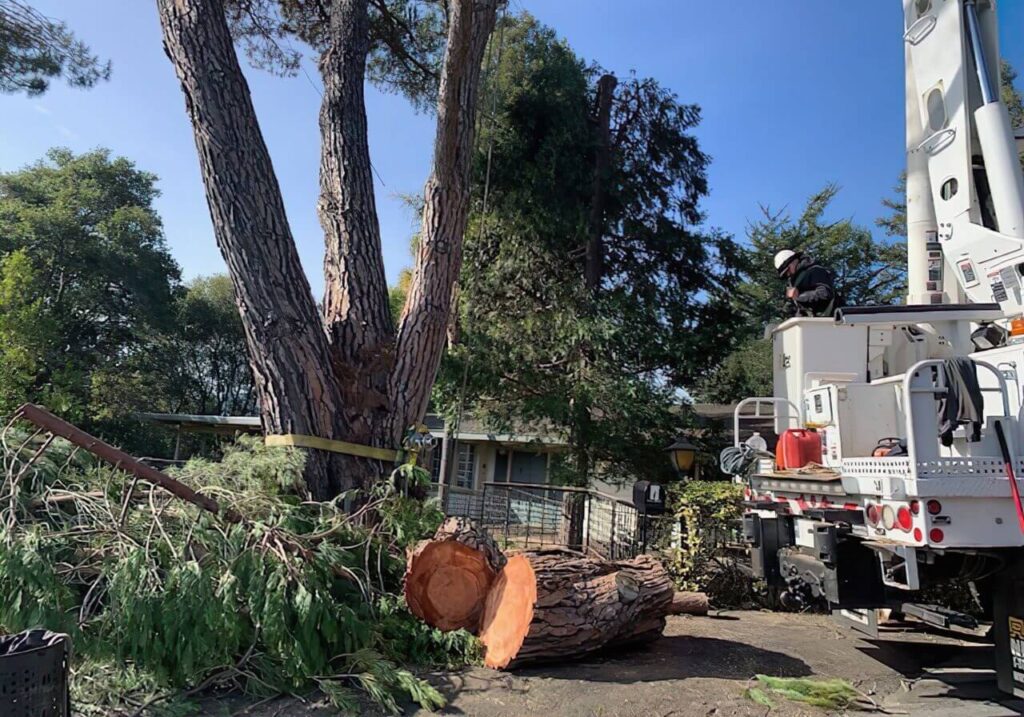
Bigger trees cost more to trim because they take longer and demand more control. As height increases, crews may need advanced climbing, rigging, and extra staff to lower limbs safely.

Large canopies also generate more debris, which adds handling and disposal time. In practice, size is one of the fastest ways a quote moves from basic to premium.

Why does the tree’s condition affect trimming costs?

Tree health changes the level of risk. Dead, cracked, storm-damaged, or diseased limbs can fail unpredictably, so crews must move slower and use more conservative rigging.

If the tree is unstable or partially uprooted, they may recommend a different approach entirely, sometimes closer to removal work than routine trimming. That added risk and planning usually shows up in pricing.

How do nearby hazards like power lines and structures increase pricing?

If branches hang over a roof, driveway, fence, or pool, they cannot simply drop material to the ground. They often must rope each limb down in smaller pieces, which adds time and equipment.

Work near power lines can be even more expensive. Many companies require specialized training, extra safety steps, and coordination rules, and some jobs may need the utility provider involved. All of that increases labor hours and liability.

How does access to the tree impact the final quote?

Access determines how efficiently a crew can work. A tree in an open front yard with a clear path for a truck is faster than one behind a house with narrow gates, steep slopes, or fragile landscaping.

Limited access can force them to carry debris farther, use smaller equipment, or climb when a bucket truck would be quicker. If they need to protect lawns, patios, or garden beds, setup time can rise as well.

What role does the type of trimming play in the total cost?

Not all trimming is the same. A light prune to remove small deadwood is very different from a heavy crown reduction or a structural prune that reshapes the tree.

Common trimming scopes that affect price include:

  • Crown cleaning: removing dead, crossing, or weak branches
  • Crown raising: lifting the canopy for clearance over streets or walkways
  • Crown reduction: reducing height or spread, typically more labor-intensive
  • Thinning: selective interior cuts to improve airflow and reduce weight

The more cuts they need to make, and the larger the wood being removed, the higher the cost tends to be.

How do cleanup, chipping, and hauling change what they pay?

Debris handling is often a major part of the bill. If they include chipping, hauling, and disposal, the price usually rises, but it also saves the homeowner from a huge pile of limbs.

Tree Trimming

Some companies offer lower quotes if they leave wood on-site, cut it into manageable pieces, or chip it into mulch for the yard. The key is to confirm what “cleanup” actually includes, since it varies by provider. Learn more about stump removal cost: what should you expect to pay?

Why do timing and local market conditions influence tree trimming pricing?

Scheduling affects cost more than many people expect. After storms or during peak growing seasons, demand spikes and reputable crews book out, which can push prices up.

Local factors matter too: labor rates, disposal fees, permit requirements, and insurance costs differ by city and region. Even within the same town, pricing can vary based on how busy they are and how far they must travel.

How can they get an accurate tree trimming estimate?

They get the most accurate number by requesting at least two or three on-site quotes with the same scope. They should ask each company to specify exactly what is included: trimming method, cleanup level, disposal, and whether stump or log handling is part of it.

It also helps to ask these quick questions:

  • Are they insured and can they provide proof?
  • Will they use a bucket truck, climb, or both?
  • Is debris hauling included, and will they rake and blow the area clean?
  • Will they provide a written scope describing which limbs will be cut?

Tree trimming cost is ultimately a mix of safety, complexity, and time. When they understand these seven factors, it becomes much easier to compare quotes and choose a crew that is priced fairly for the work involved.

FAQs (Frequently Asked Questions)

What is the average cost of tree trimming for homeowners?

Most homeowners can expect tree trimming costs to be priced either per tree or per hour, typically landing in the low hundreds for straightforward jobs. However, costs increase with factors like tree height, hazards, complex access, or specialty equipment. Since pricing is highly site-specific, the average should be used as a reference point rather than a guarantee.

How do tree size and height affect the price of tree trimming?

Larger trees cost more to trim because they require more time and control. Taller trees may need advanced climbing, rigging, and additional staff to safely lower limbs. Bigger canopies also produce more debris, increasing handling and disposal time. As a result, size is one of the fastest ways quotes shift from basic to premium pricing.

Why does the condition of the tree influence trimming costs?

The health of a tree impacts risk levels during trimming. Dead, cracked, storm-damaged, or diseased limbs can fail unpredictably, requiring crews to work slower with more conservative rigging techniques. Unstable or partially uprooted trees might need approaches closer to removal than routine trimming, which adds planning and risk that reflects in higher pricing.

Tree Trimming

How do nearby hazards like power lines and structures increase tree trimming costs?

When branches hang over roofs, driveways, fences, or pools, crews cannot simply drop material to the ground; they must rope down limbs in smaller pieces, adding time and equipment needs. Working near power lines involves specialized training, extra safety steps, coordination with utility providers, increased labor hours, and liability—all contributing to higher costs.

What role does cleanup and debris removal play in overall tree trimming pricing?

Debris handling often constitutes a significant portion of the bill. Including chipping, hauling, and disposal raises the price but saves homeowners from managing large piles of limbs. Some companies offer lower quotes if wood is left on-site or chipped into mulch. It’s important to confirm what cleanup services are included since offerings vary by provider.

How can homeowners obtain an accurate estimate for tree trimming services?

To get an accurate quote, homeowners should request at least two or three on-site estimates with consistent scopes of work. They should ask companies to specify what’s included—trimming methods, cleanup level, disposal options—and inquire about insurance proof, use of bucket trucks versus climbing methods, debris hauling specifics, and written descriptions of which limbs will be cut. Understanding these details helps compare quotes fairly based on safety, complexity, and time involved.

Stump Removal

Stump Removal Cost: What Should You Expect to Pay?

The best way to avoid surprises is to understand how companies price stump work, what extras drive the bill up, and what to ask for in a written quote.

What does stump removal typically cost?

Most stump jobs fall into a “small, straightforward” range, but stump removal cost can jump quickly when the stump is large or hard to access. In many markets, homeowners commonly see minimum service charges even for small stumps, then additional costs based on diameter.

Pricing is usually presented as a per-stump cost, a per-inch rate, or a flat fee for multiple stumps in one visit.

What’s the difference between stump grinding and full removal?

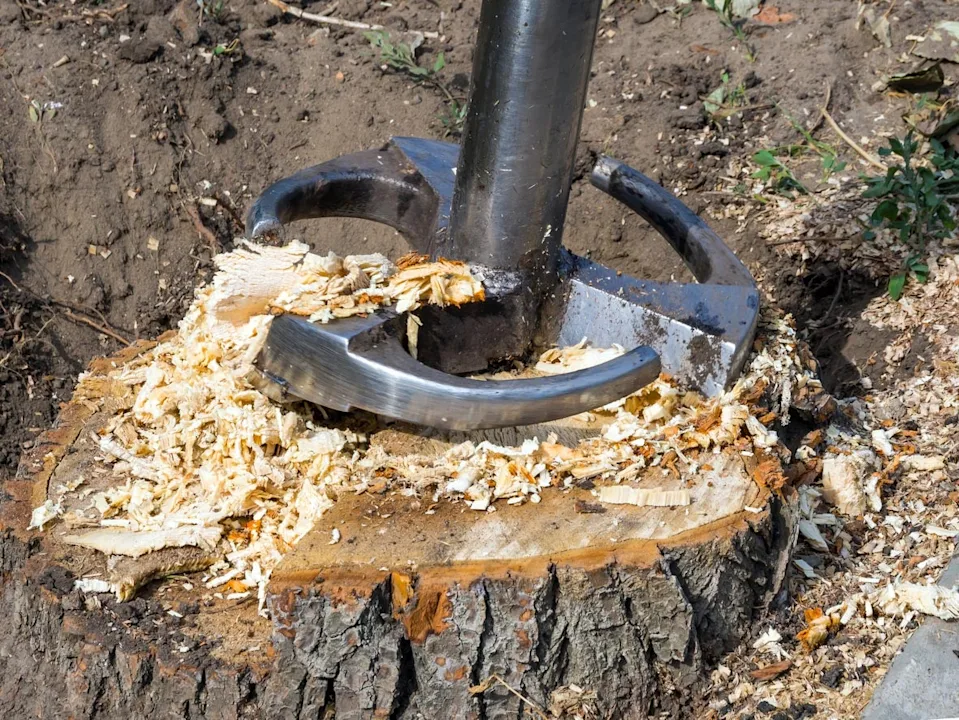
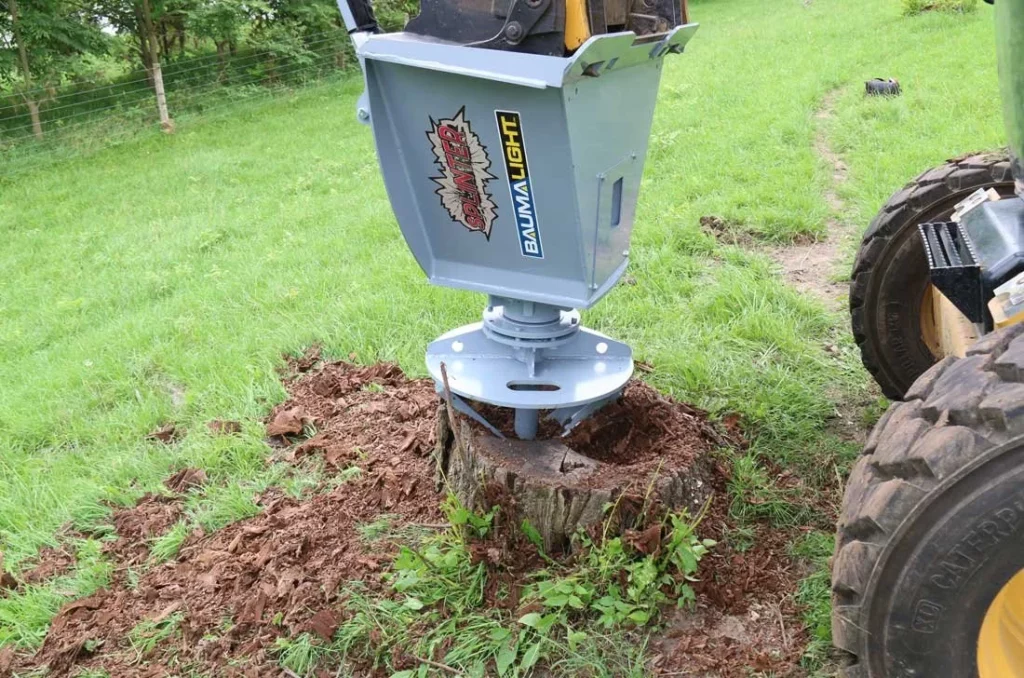
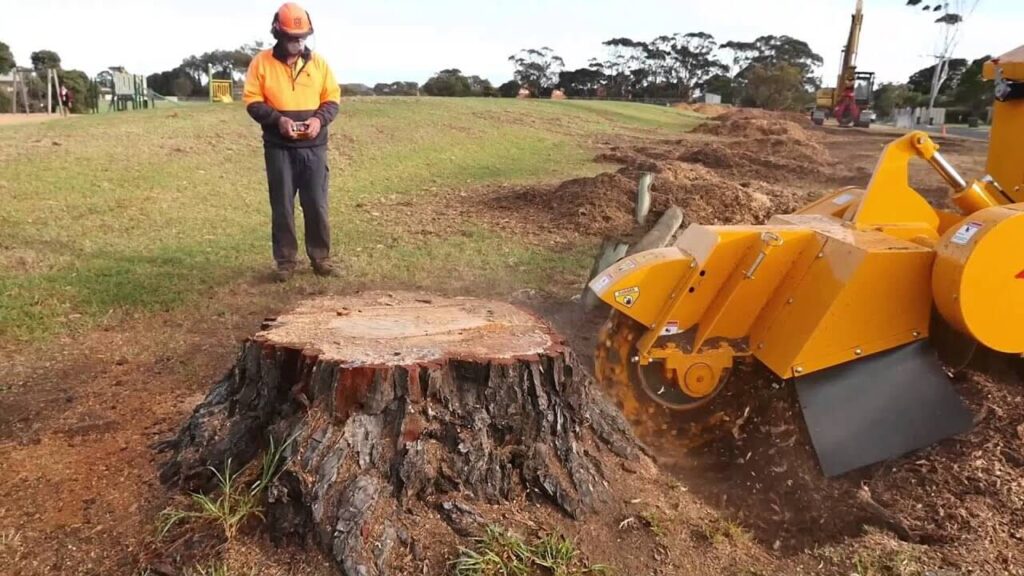
Stump grinding is usually the lower-cost option because it removes the visible stump by shredding it below ground level. Full removal means pulling the stump and major roots out of the ground, which is more labor-intensive and often requires heavier equipment.

If they only need the area leveled for grass, grinding is often enough. If they plan to build, pour concrete, or replant a tree in the same spot, full removal may be necessary.

What factors change the price the most?

Diameter is the biggest driver because it determines time on the grinder and wear on teeth. Location matters just as much, since stumps near fences, rocks, utilities, or tight gates slow the work and add risk.

Hardwood species, multiple trunks, deep root flares, steep slopes, and muddy access can all push a quote higher because they increase labor and equipment effort.

Why do some companies charge per inch?

Per-inch pricing is a quick way to tie the quote to stump size, typically measured across the widest point at ground level. It is simple, but it can be misleading when stumps flare wide at the base or have multiple stems.

Homeowners should confirm exactly where they measure, whether roots or buttress flares are included, and what the minimum trip fee is.

What add-on services can increase the final bill?

Many stump quotes cover grinding only and leave the cleanup optional. Hauling chips away, bringing in topsoil, reseeding, and regrading can add meaningful cost, especially if they want the area “ready to landscape.”

Other common add-ons include cutting surface roots, removing rocks in the work zone, and grinding deeper than the standard depth.

Do they need permits or utility marking?

Utility marking is often required before grinding, especially near sidewalks, driveways, or street-side trees. In many areas, they can request a locate service, but scheduling can affect timing and sometimes adds a service fee.

Permits are less common for stump work than for tree removal, but local rules vary. Homeowners should ask whether the contractor will handle locates and whether any municipal requirements apply.

How much should they budget for multiple stumps?

Multiple stumps are often cheaper per stump because the crew’s travel and setup are spread across the job. Companies frequently offer tiered pricing when several stumps are on the same property and accessible without moving equipment far.

They should still expect the largest stump to dominate the quote, with smaller ones priced as add-ons rather than evenly split.

When is DIY stump removal cheaper, and when is it a mistake?

DIY can be cheaper only when they already have the tools, the stump is small, and they have time. Renting a stump grinder may look affordable, but delivery, fuel, safety gear, and damage deposits can narrow the savings quickly.

Stump Removal

DIY becomes risky when the stump is large, close to utilities, or in a tight area. In those cases, a professional often costs less than the potential repair bill or injury. Learn more about tree trimming cost: 7 factors that influence pricing.

What questions should they ask before accepting a quote?

They should confirm the grinding depth, whether surface roots are included, and what happens to the wood chips. They should also ask about access requirements, gate width needed, and whether the quote assumes a clear path.

A solid quote should state the total price, what is included, and what triggers extra charges. If they want restoration, they should ask for it in writing rather than assuming it is included.

How can they reduce stump removal costs?

They can bundle stumps into one visit, clear access to the work area, and remove obstacles like stones, planters, or yard décor beforehand. If they are fine keeping chips on-site, they can often avoid hauling fees by using them as mulch.

Scheduling flexibility can also help. Some companies offer better rates when they can route the job near other work or fill an open slot.

What should they expect to pay overall?

They should expect a basic stump grinding job to be one of the more affordable outdoor services, but costs can climb fast with size, difficult access, and cleanup. The most accurate number comes from an on-site look, especially for large or awkward stumps.

If they collect two to three itemized quotes and confirm inclusions, they can usually avoid surprise fees and choose the right level of removal for their plans.

FAQs (Frequently Asked Questions)

What factors influence the cost of stump removal?

Stump removal costs vary widely based on stump size, location, and difficulty. Diameter is the biggest price driver as it affects grinding time and equipment wear. Location near fences, rocks, utilities, or tight gates adds complexity and risk. Hardwood species, multiple trunks, deep root flares, steep slopes, and muddy access also increase labor and equipment effort, pushing the quote higher.

How do stump grinding and full stump removal differ in cost and process?

Stump grinding is generally less expensive as it shreds the visible stump below ground level. Full removal involves pulling out the stump and major roots entirely, requiring more labor and heavier equipment. Grinding suffices if you want to level the area for grass; full removal is necessary for building, pouring concrete, or replanting in the same spot.

Why do some companies charge for stump removal per inch, and what should homeowners clarify?

Per-inch pricing ties the quote to stump size measured across the widest point at ground level. While simple, it can be misleading with wide flares or multiple stems. Homeowners should confirm where measurements are taken, whether roots or buttress flares are included, and what minimum trip fees apply to avoid surprises.

Stump Removal

What additional services can increase the final stump removal bill?

Many quotes cover grinding only; add-ons like hauling chips away, bringing in topsoil, reseeding, regrading, cutting surface roots, removing rocks in the work zone, and grinding deeper than standard depth can significantly raise costs—especially if you want the area ready for landscaping.

Are permits or utility markings required for stump removal?

Utility marking is often required before grinding near sidewalks, driveways, or street-side trees to prevent damage. Some areas offer locate services which may add scheduling time or fees. Permits are less common than for tree removal but vary locally. Homeowners should ask if contractors handle locates and check municipal requirements beforehand.

How can homeowners reduce their stump removal costs effectively?

To save costs, bundle multiple stumps into one visit to spread travel and setup fees. Clear access by removing obstacles like stones or yard décor to speed work. Keeping wood chips onsite as mulch avoids hauling fees. Flexible scheduling may secure better rates if companies can route jobs nearby or fill open slots.

Buyers Agent Clovelly

Why a Buyers Agent in Clovelly is a Smart Move for Homebuyers

Introduction

When it comes to buying a property, many people feel overwhelmed by the complex process of finding the right home, negotiating a fair price, and handling all the paperwork. That’s where a buyers agent steps in. A buyers agent is a licensed expert who works exclusively on behalf of the buyer, offering professional advice and hands-on assistance to make the entire process smoother and more efficient.

If you’re considering Clovelly, a beautiful suburb located in Sydney’s eastern suburbs, a buyers agent can be the key to securing the perfect property. Known for its stunning beaches, coastal views, and close-knit community, Clovelly has become a highly desirable area for homebuyers. With increasing demand, navigating the local real estate market can be tricky—making the support of a buyers agent even more valuable.

Why Hire a Buyers Agent in Clovelly?

Local Expertise

One of the standout benefits of hiring a buyers agent in Clovelly is their local expertise. They know the area inside and out—what’s a hidden gem and what might not be worth your time. Clovelly has a mix of older, charming properties, as well as newer developments, and each has its own nuances. A buyers agent can help you find the right property that fits your needs, whether you’re looking for a quiet family home, a beachside retreat, or a long-term investment.

Negotiation Skills

Clovelly’s real estate market can be competitive, with desirable properties often attracting multiple offers. Without the right negotiation skills, it can be easy to overpay or miss out on an opportunity. A buyers agent brings strong negotiation skills to the table, ensuring that you don’t just find a great property but also secure it at the best possible price. They understand local market conditions, property values, and strategies to make your offer stand out in a crowded field.

Stress-Free Buying

The process of buying property can be stressful, especially if you’re unfamiliar with the legalities or the area. A buyers agent alleviates much of that stress by handling the logistics. From coordinating property viewings to assisting with contracts and settlements, they guide you every step of the way. This means fewer headaches for you and a more enjoyable experience as you make one of the biggest decisions of your life.

How a Buyers Agent Simplifies the Property Purchase Process

Step 1: Property Search

The first step in the property-buying journey is finding a suitable property, but in a competitive market like Clovelly, this can be overwhelming. A buyers agent conducts a thorough search, narrowing down properties based on your specific preferences, whether that’s proximity to the beach, school zones, or a particular price range. With access to off-market listings and insider knowledge, they often uncover opportunities that might otherwise be missed.

See more: How to Choose the Right Stump Grinding Service for Your Property

Step 2: Property Inspections and Due Diligence

Once a shortlist of potential properties is identified, the next step is to conduct property inspections and due diligence. A buyers agent arranges viewings, ensures you’re aware of any potential issues with the property, and even helps assess the condition of the property. They’ll provide insights into the neighborhood’s future growth and what improvements may be needed, so you can make an informed decision.

Step 3: Making an Offer and Negotiation

Once you’ve found your dream property, your buyers agent will guide you in making an offer. Based on their market knowledge, they’ll advise you on a fair price and the right strategy to secure the deal. If there’s competition, a buyers agent knows how to structure your offer in a way that’s both competitive and appealing to the seller. Their negotiation skills often make the difference between securing the property or losing out.

Step 4: Handling Legalities and Settlement

The legal and financial aspects of property buying can be daunting. A buyers agent coordinates with your solicitor or conveyancer, ensuring that contracts are clear, the necessary checks are carried out, and the settlement goes smoothly. They’ll also ensure you understand all the fine print, so there are no surprises later on. This hands-on approach ensures a seamless transaction from start to finish.

Tailored Support for Homebuyers and Investors

First-Time Homebuyers

If you’re a first-time homebuyer, the real estate process can feel like a maze of terms, paperwork, and decisions. A buyers agent takes the confusion out of it. They help you understand the market, the steps involved, and how to get the most value for your budget. They’ll also explain available first-home buyer incentives and grants, ensuring you don’t miss out on potential savings.

Families

Clovelly is an attractive option for families thanks to its relaxed coastal lifestyle, proximity to schools, and abundance of parks and beaches. For families, a buyers agent considers more than just the property’s features—they also think about things like the school catchment area, family-friendly amenities, and the overall vibe of the neighborhood. A buyers agent helps you find a home that meets your family’s unique needs, ensuring you can settle into an area that suits your lifestyle.

Investors

For property investors, the goal is often to find a property that offers strong capital growth or solid rental returns. A buyers agent specializes in identifying investment opportunities in Clovelly that meet your financial objectives. Whether you’re looking for a rental property with strong demand or a property in an area poised for growth, a buyers agent provides the insight and market analysis necessary to make a smart investment decision.

Buyers Agent Clovelly

Why Clovelly Stands Out in Sydney’s Property Market

Clovelly is a unique gem in Sydney’s property market. It combines the allure of coastal living with the practicality of being close to the city. The suburb’s proximity to the beach, stunning coastal walks, and peaceful atmosphere make it a highly desirable place to live, especially for those seeking a quieter, family-oriented lifestyle.

But Clovelly isn’t just about lifestyle—it also has strong investment potential. As demand for coastal properties in Sydney continues to rise, so does the value of homes in Clovelly. The suburb is also well-connected, with public transport links to the city and the upcoming light rail expansion. This makes it not only an attractive location for homeowners but also for investors looking for solid returns.

Conclusion

Buying property in Clovelly is an exciting prospect, but it can also be challenging due to the competitive nature of the market. Hiring a buyers agent is a smart move that can simplify the process, save you time, and ensure you get the best deal possible. With their local expertise, negotiation skills, and step-by-step guidance, a buyers agent takes the stress out of buying a property in Clovelly.

Whether you’re a first-time buyer, a growing family, or an investor looking for long-term growth, a buyers agent helps you navigate the market and find the perfect property. For a smooth, successful purchase in one of Sydney’s most desirable suburbs, consider enlisting the help of a buyers agent in Clovelly.

utility locating

Everything You Need to Know About Underground Utilities

Underground utilities form the backbone of modern infrastructure. They play a crucial role in delivering services such as electricity, water, sewage, and telecommunications. Understanding the complexity and operation of these systems is essential for professionals across multiple fields including construction, engineering, and urban planning. This article aims to provide a comprehensive overview of underground utilities, covering their types, installation processes, safety measures, maintenance, and future trends.

Understanding Underground Utilities

To appreciate the role of underground utilities, it is important to first define what they are and explore their significance in urban and suburban settings. By grasping the core concepts, one becomes better equipped to navigate the various challenges associated with them.

Definition and Importance of Underground Utilitiesv

Underground utilities refer to the network of essential services that are installed beneath the ground surface. This includes, but is not limited to, water pipes, sewage lines, electricity conduits, gas pipelines, and telecommunications cables. The importance of these utilities goes beyond their functional roles; they are vital for public health, safety, economic development, and environmental sustainability.

For instance, water and sewage systems help maintain hygiene and public health, while electrical lines power homes and businesses. Without efficient underground utilities, cities would struggle to function properly, impacting residents’ quality of life and local economies. Moreover, the integration of smart technologies into these utilities is becoming increasingly important. For example, smart water meters can help detect leaks early, reducing waste and ensuring that communities have access to clean water. Similarly, advancements in electrical grids, such as smart grids, can optimize energy distribution and enhance reliability.

Types of Underground Utilities

Understanding the various types of underground utilities can elucidate their diverse roles in urban settings. Here are some of the primary categories:

  • Water Supply Systems: These consist of pipes and systems designed to transport clean water for drinking, sanitation, and irrigation.
  • Sewage and Wastewater Systems: These manage the disposal of waste and stormwater to prevent flooding and pollution.
  • Electric Power Lines: These deliver electricity from generation plants to consumers, conducted primarily through insulated cables.
  • Natural Gas Lines: These pipelines transport natural gas for heating and cooking purposes.
  • Telecommunication Cables: These include fiber optic and copper lines used for internet, telephone, and cable services.

Each type of utility requires specialized knowledge and skills for installation and maintenance, highlighting the need for trained professionals in the field. Furthermore, the planning and construction of these utilities are often subject to strict regulations and standards to ensure safety and reliability. For example, the placement of gas lines must adhere to specific depth requirements to minimize the risk of accidental damage during construction activities. Additionally, regular inspections and maintenance are crucial for preventing failures that could lead to hazardous situations, such as gas leaks or sewage overflows, which can have dire consequences for communities.

The Process of Installing Underground Utilities

The installation of underground utilities is a complex process that demands meticulous planning and execution. Understanding the stages involved can help stakeholders anticipate challenges and streamline operations.

Planning and Designing

The first phase in the installation of underground utilities involves thorough planning and design. This includes conducting feasibility studies, mapping existing utilities, and evaluating environmental impacts. Planners utilize technology such as Geographic Information Systems (GIS) to create accurate maps and models.

Collaboration between various stakeholders—such as utility companies, local governments, and engineering firms—is essential during this stage. This cooperative approach helps avert conflicts and ensures compliance with regulations, ultimately facilitating smoother execution in later stages. Additionally, community engagement plays a pivotal role in the planning process. Informing local residents about the project can help mitigate concerns and foster goodwill, which is crucial for maintaining public support and minimizing disruptions during construction.

Excavation and Installation

Once the planning is in place, the next phase involves excavation and installation. This often begins with site preparation, where the surface is cleared and marked. Heavy machinery, such as excavators, is typically employed to dig trenches deep enough to accommodate the utility lines.

Following excavation, the actual installation of utility lines takes place. This step requires adherence to safety regulations and precise procedures to ensure the utilities are laid at the correct depth and alignment. After installation, the trench is backfilled, and the surface is restored to minimize disruption to the surroundings. Furthermore, the installation process may also include the integration of advanced technologies, such as smart sensors and automated monitoring systems, which enhance the efficiency and reliability of utility services. These innovations not only improve operational performance but also contribute to better resource management and sustainability in urban planning.

Safety Measures in Handling Underground Utilities

Safety is paramount when dealing with underground utilities. This is crucial not only for the workers involved but also for the public and the environment. Following established safety measures can significantly reduce risks associated with utility work.

Identifying Utility Locations

Before any excavation work commences, it is vital to accurately identify the locations of existing utilities. Utility companies often provide mapping services, illustrating the layout of their lines. Moreover, various technologies, including ground-penetrating radar, can be employed to detect buried infrastructure.

Accurate identification mitigates the risks of accidental damage during excavation, which can lead to dangerous situations, service interruptions, and costly repairs. It is critical for contractors to communicate with utility providers to confirm the locations of buried lines. Additionally, employing a combination of digital mapping and physical markers can enhance the accuracy of utility location, reducing the likelihood of mishaps. Workers should also be trained to recognize the different types of utility markers, as this knowledge can be instrumental in ensuring that all underground lines are respected and avoided during excavation.

underground utilities

Safe Digging Practices

In addition to identifying the locations of utilities, adhering to safe digging practices is essential. Workers should be trained in techniques to minimize the risk of damaging underground lines, which includes using hand tools near utility markers and proceeding cautiously when digging.

Furthermore, maintaining an open line of communication between all team members is crucial. Regular safety meetings and compliance with protocols such as “Call Before You Dig” are beneficial practices that protect both workers and the public. It is also important to implement a buddy system during excavation work, where team members look out for one another, ensuring that safety protocols are followed diligently. This collaborative approach not only fosters a culture of safety but also enhances the overall efficiency of the project, as workers are more likely to adhere to safety measures when they feel supported by their peers. Additionally, having emergency response plans in place can further safeguard against potential accidents, allowing teams to react swiftly and effectively should an incident occur.

Maintenance and Repair of Underground Utilities

The reliability of underground utilities is heavily dependent on regular maintenance and prompt repairs. Established systems not only prolong the life of the infrastructure but also reduce incidences of service disruption.

Regular Inspection and Maintenance

Conducting regular inspections of underground utilities is essential for identifying potential issues before they escalate into significant problems. Utility companies often use technology such as cameras and sensors to monitor the condition of pipelines and cables. These advanced monitoring systems can detect leaks, blockages, and other anomalies that may not be visible to the naked eye, allowing for timely interventions.

Regular maintenance activities may include cleaning, flushing, or repairing parts of the system to prevent clogs and corrosion. By proactively managing these systems, utility providers can ensure consistent service delivery and mitigate the risk of emergency repairs. Additionally, routine maintenance schedules are often aligned with seasonal weather patterns, as certain conditions can exacerbate wear and tear on underground utilities. For example, freezing temperatures can lead to pipe bursts, while heavy rainfall can cause soil erosion around utility lines, making it crucial to adjust maintenance practices accordingly.

Dealing with Utility Damage and Repairs

Despite the best maintenance practices, utility damage can occur due to various reasons, including extreme weather, shifting soil, and accidental excavation. Immediate response to such incidents is vital to minimize disruption and restore services. Utility companies often employ specialized teams equipped with the tools and expertise necessary to assess the damage quickly and implement repairs efficiently. This rapid response not only helps in restoring services but also reassures the community that their needs are being prioritized.

Utility companies need contingency plans and trained personnel ready to address outages. This may involve rerouting services temporarily, coordinating with emergency services, and informing affected residents promptly. Furthermore, effective communication strategies are essential during repair operations. Keeping the public informed about the status of repairs and expected timelines for service restoration helps to manage expectations and maintain trust in utility providers. In many cases, community engagement initiatives, such as public meetings or informational flyers, are employed to educate residents about the importance of utility maintenance and the steps being taken to ensure their safety and comfort.

underground utilities

The Future of Underground Utilities

The landscape of underground utilities is continually evolving, driven by technological advancements and sustainability initiatives. Understanding these trends is key for professionals in the field.

Technological Advancements

Emerging technologies are poised to enhance the effectiveness and efficiency of underground utility management. Innovations such as smart grids, IoT sensors, and advanced materials are revolutionizing how utility systems are monitored and maintained.

Smart grids, for example, facilitate real-time monitoring of energy consumption and outage management, leading to improved service reliability. Similarly, IoT sensors can detect leaks or failures in water and gas lines, allowing for quick intervention and reducing waste.

See Also : Why an Underground Utility Locating Service is Crucial for Planning

Sustainability and Underground Utilities

As the world increasingly prioritizes sustainability, the underground utilities landscape is adapting accordingly. This includes shifting towards eco-friendly materials and practices that minimize environmental impact.

Strategies such as using renewable energy sources and implementing water conservation mechanisms are paving the way for a more sustainable future. Moreover, urban planning is considering the integration of green spaces with utility installations, fostering a balance between infrastructure and natural ecosystems.

In summary, underground utilities are an integral component of society that requires careful planning, installation, management, and innovation. Professionals in the field must stay informed about trends and advancements to ensure that these vital services continue to function efficiently and sustainably.

underground utility locating services

Why an Underground Utility Locating Service is Crucial for Planning

Planning any construction or excavation project requires careful consideration of the underground landscape. The presence of buried utilities can pose significant risks, potentially leading to costly delays, safety hazards, and legal repercussions. An effective underground utility locating service serves as a vital component of project management, ensuring that stakeholders are fully informed and prepared before breaking ground.

Understanding Underground Utility Locating Services

Underground utility locating services are specialized services designed to identify, map, and mark the locations of buried utilities such as gas lines, water pipes, electricity cables, and telecommunications lines. These services utilize advanced technologies to prevent accidents and damage during construction and excavation activities.

What is an Underground Utility Locating Service?

An underground utility locating service uses various methods and tools to ascertain the exact location of subsurface utilities. This process helps project managers, contractors, and engineers avoid accidentally damaging these underground assets. The service often employs equipment like electromagnetic locators, ground-penetrating radar, and sonar technology to achieve accurate results.

By providing precise utility mappings, such services can significantly ease project design and execution, allowing all parties involved to proceed with confidence. When integrated into the planning process, underground utility locating services are instrumental in ensuring that projects remain on schedule and within budget. Furthermore, these services are not just beneficial for large-scale construction projects; they also play a crucial role in smaller renovations and landscaping endeavors, where the risk of hitting a utility line can lead to costly repairs and safety hazards.

The Technology Behind Utility Locating Services

The technology employed in underground utility locating services varies, but it generally includes both passive and active locating methods. Passive locating involves using receivers that detect the electromagnetic fields emitted by live utilities. In contrast, active locating uses a transmitter to send signals through the ground, allowing for a more thorough identification of buried structures.

One of the most innovative technologies adopted by these services is ground-penetrating radar (GPR). GPR is a non-invasive method that emits high-frequency radio waves into the ground, producing images of the subsurface utilities. This tool is invaluable for detecting utilities in complex sites, where traditional methods might fall short. Additionally, advancements in data processing and imaging techniques have made GPR even more effective, allowing for clearer visualizations and more accurate interpretations of the subsurface environment. This capability is particularly important in urban areas, where multiple layers of utilities may be present, and the risk of interference is heightened. As a result, utility locating services are becoming increasingly sophisticated, incorporating software that can analyze data in real-time, providing immediate insights that can inform decision-making on-site.

The Importance of Utility Locating in Project Planning

The significance of utility locating cannot be overstated. It is not merely an added step in the planning process, but rather an essential component that can influence the entire project’s outcome. Understanding why utility locating is crucial helps project stakeholders appreciate its role in effective planning.

Avoiding Construction Delays

One of the primary benefits of utility locating is the prevention of construction delays. If a contractor unintentionally strikes a buried utility line, it can halt work immediately, leading to costly delays as repairs are made and assessments take place. On a busy construction site, such interruptions can cascade, affecting timelines and budgets across the entire project.

Through thorough utility locating, contractors can avoid these pitfalls. By having a clear understanding of where utilities are situated, they can plan their excavation and construction activities without the risk of unwanted disruptions. Moreover, this proactive strategy allows for more accurate scheduling and resource allocation, enabling project managers to optimize workflow and maintain project momentum.

Ensuring Worker Safety

Ensuring worker safety on construction sites is a non-negotiable priority. Striking underground utilities can not only lead to operational delays but also pose serious threats to human life. Gas leaks, electrical shocks, and ruptured water mains can all result from unmarked utilities. Therefore, having an accurate map of underground utilities is crucial for creating safe working conditions.

Utility locating services provide peace of mind by informing construction crews about potential hazards before they start digging. This proactive approach is essential in protecting the health and safety of all personnel involved in the project. Additionally, training workers on the importance of utility locating and the potential dangers associated with unmarked utilities can foster a culture of safety on-site, encouraging everyone to be vigilant and responsible.

Preventing Damage to Existing Utilities

Protecting existing utilities goes hand-in-hand with ensuring worker safety. Damaging buried utilities can lead to significant costs not only in repairs but also in fines and penalties imposed by regulatory bodies. In some cases, it can even lead to laches and litigation.

By investing in reliable utility locating services, project managers can avoid the ramifications of damaged utilities. This foresightedness not only saves money but also fosters a reputation for professionalism and responsibility within the industry. Furthermore, maintaining good relationships with utility companies can be beneficial for future projects, as these companies are often more willing to collaborate and provide assistance when they see a commitment to safety and diligence in utility management.

In addition to financial considerations, the environmental impact of damaging utilities can be severe. For instance, a ruptured sewer line can lead to contamination of local water sources, which can have long-lasting effects on both the ecosystem and public health. Therefore, understanding the location of utilities is not just a matter of compliance; it is also a critical aspect of environmental stewardship that project managers must prioritize in their planning processes.

underground utility locating services

Legal Implications of Not Using Utility Locating Services

The consequences of neglecting utility locating services can be severe, both financially and legally. Construction managers who fail to identify underground utilities could face penalties, legal liability, and increased insurance premiums. Understanding these implications emphasizes the need for proactive planning.

Potential Penalties and Fines

Regulatory agencies often impose stringent rules regarding the protection of underground utilities. Failing to adhere to these regulations can result in significant fines and penalties. Being unaware of buried utilities is not a valid excuse in the eyes of the law. For this reason, employing an underground utility locating service is not just a precaution; it is a mandatory step in regulatory compliance.

Additionally, the financial strain of resolving issues after the fact far outweighs the costs associated with proactive utility locating. Thus, making the right choice from the outset can be a profoundly economical decision in the long run.

Liability and Insurance Issues

Liability is another pressing concern for construction companies. If an underground utility is damaged due to negligence or lack of due diligence, the costing implications can escalate quickly. Insurance policies may not cover damages incurred from failing to employ utility locating services, leaving the responsible party to bear the costs.

Moreover, any incident involving worker exposure risks can open the door to substantial liability claims. This situation underlines the importance of having an accurate understanding of underground utilities to mitigate legal repercussions effectively.

The Process of Underground Utility Locating

Understanding the process involved in underground utility locating can help stakeholders appreciate its significance. Typically, this process is comprehensive and involves several methodical steps.

Initial Site Assessment

The first step in the utility locating process is the initial site assessment. During this phase, utility locating professionals will evaluate the area, gathering as much information about existing utilities as possible. This may include reviewing utility maps, logs, and historical data.

Having a strong understanding of the site conditions enables the service provider to create a targeted and efficient locating plan, minimizing disruption during the actual locating process.

Using Ground Penetrating Radar

Ground-penetrating radar is often employed during the locating process. Once the site assessment is completed, GPR is used to scan the ground for buried utilities. This technology is effective for identifying various types of utilities, including those made from metal, plastic, and concrete.

As radar waves penetrate the ground, they reflect back upon encountering different materials, giving technicians a detailed image of the subsurface layout. This data is then translated into a visual map, showing the locations and types of utilities present.

Marking and Mapping the Utilities

Once utilities are located, the final stage involves marking and mapping them accurately. Using paint, flags, or stakes, technicians clearly indicate where utilities are situated above ground. This serves as a visual reference for the construction crew.

The marked utilities are then documented using detailed maps, which include the depth, size, and type of each utility. This comprehensive mapping provides critical information for construction planning and execution. Check out more about everything you need to know about underground utilities

Choosing the Right Utility Locating Service

While understanding the significance of utility locating is crucial, selecting the right service provider is equally important. Not all utility locating services are created equal; hence, several factors must be considered when making a choice.

Factors to Consider

  • Experience: Look for a service provider with substantial experience in the field. A company that has successfully navigated similar projects will have the necessary expertise to handle potential challenges effectively.
  • Technology: Ensure that the service provider employs state-of-the-art technology. Advanced tools like GPR can make a significant difference in accuracy and safety.
  • Reputation: Check references and reviews from previous clients. A company with a proven track record will have better insights and practices in place.
underground utility locating services

Questions to Ask Potential Service Providers

When evaluating potential utility locating services, it’s important to ask the right questions. Here are a few suggestions:

  1. What methodologies do you use for utility locating?
  2. Can you provide references from past projects similar to mine?
  3. How do you ensure the accuracy of your utility mapping?
  4. What safety protocols do you have in place for your team and our site?

By thoroughly vetting potential providers, project stakeholders can ensure they are making a well-informed decision that aligns with their needs and objectives.

In conclusion, the role of an underground utility locating service is fundamentally critical to planning successful construction and excavation projects. From ensuring safety to safeguarding against legal issues, these services contribute significantly to the smooth execution of projects. As the construction sector continues to evolve, the importance of precise utility locating cannot be overstated.

Effective Tree Pruning

The Best Tools and Techniques for Effective Tree Pruning

Tree pruning is an essential practice for maintaining the health and aesthetics of trees in your landscape. By selectively removing specific parts of a tree, you can promote healthy growth, prevent diseases, and enhance the overall appearance of your property. In this comprehensive guide, we will explore the best tools and techniques for effective tree pruning, ensuring that you have everything you need to keep your trees thriving.

Understanding Tree Pruning

Before diving into the tools and techniques, it’s important to understand the purpose of tree pruning. Tree pruning involves cutting away dead or overgrown branches and stems to encourage new growth, maintain shape, and ensure safety. Proper pruning can also improve air circulation and sunlight exposure, which are crucial for a tree’s overall health.

When you think about tree pruning, consider it as both an art and a science. It requires knowledge of tree biology, growth patterns, and the proper techniques to achieve desired results without causing harm to the tree.

Why is Tree Pruning Important?

  • Promotes Health: Regular pruning helps remove dead or diseased branches, preventing the spread of pathogens and pests.
  • Enhances Aesthetics: Pruning improves the shape and appearance of trees, enhancing your landscape’s overall beauty.
  • Increases Safety: Removing overhanging branches reduces the risk of falling limbs that could injure people or damage property.
  • Encourages Growth: Properly pruned trees can grow stronger and more robust, producing healthier foliage and fruit.

SEE ALSO: How to Choose the Right Stump Grinding Service for Your Property

The Essential Tools for Tree Pruning

Having the right tools is crucial for effective tree pruning. Here are some of the best tools you should consider adding to your toolkit:

1. Hand Pruners

Hand pruners, also known as secateurs, are essential for pruning small branches and stems. They come in two main types: bypass and anvil.

  • Bypass Pruners: These have two curved blades that slide past each other, making clean cuts without crushing the plant tissue. They are ideal for live wood and thin branches.
  • Anvil Pruners: These have a straight blade that cuts against a flat surface. They are best for cutting dry or dead wood.

2. Loppers

Loppers are larger than hand pruners and are designed for cutting thicker branches. They feature long handles that provide extra leverage, allowing you to cut branches up to 2 inches in diameter. Look for loppers with a bypass design for cleaner cuts.

3. Pruning Saws

For larger branches, a pruning saw is necessary. These saws have a curved or straight blade, allowing you to make precise cuts. A foldable pruning saw is a great choice for convenience and safety, making it easy to carry and store.

4. Pole Pruners

Pole pruners extend your reach, allowing you to prune high branches without the need for a ladder. They come with a saw or cutting blade at the end of a long pole, making them perfect for reaching branches that are difficult to access.

5. Chainsaws

For major pruning tasks or removing large branches, a chainsaw may be necessary. Ensure that you have the proper training to use a chainsaw safely and effectively. For residential use, a lightweight electric chainsaw is often sufficient.

6. Safety Gear

Safety should always be your top priority when pruning trees. Invest in the following safety gear:

  • Safety Glasses: Protect your eyes from flying debris.
  • Gloves: Wear durable gloves to protect your hands from cuts and scrapes.
  • Hard Hat: Use a hard hat when working near large branches that may fall.
  • Hearing Protection: If using power tools like chainsaws, protect your hearing with earplugs or earmuffs.
Effective Tree Pruning

Techniques for Effective Tree Pruning

Now that you have the right tools, let’s explore the techniques that will help you prune your trees effectively.

1. Understand the Best Time to Prune

Timing is crucial when it comes to tree pruning. The best time to prune depends on the type of tree and its growth cycle. Generally, late winter or early spring is the best time for most deciduous trees, as they are still dormant and can heal quickly after pruning.

However, some flowering trees may require pruning right after blooming to avoid cutting off next season’s buds. Always research the specific needs of the trees you are pruning.

2. Assess the Tree’s Structure

Before making any cuts, take a moment to observe the tree’s structure. Look for the following:

  • Dead or Damaged Branches: Identify any branches that are dead, diseased, or damaged and should be removed.
  • Crossing Branches: Look for branches that cross or rub against each other, as these can cause wounds and invite pests.
  • Weak Branches: Identify any branches that have a narrow angle with the trunk, as they may be weak and prone to breaking.

3. Make the Right Cuts

When you begin pruning, use the following techniques to ensure clean and effective cuts:

  • Cut at the Right Angle: Make cuts at a slight angle, which helps prevent water from pooling on the cut surface, reducing the risk of decay.
  • Use the Three-Cut Method for Larger Branches: For branches that are too thick, use the three-cut method:
    1. Undercut: Make a small cut on the underside of the branch about a foot from the trunk.
    2. Top Cut: Make a second cut from the top, further down the branch, to allow it to fall safely without tearing the bark.
    3. Final Cut: Finally, make a clean cut at the branch collar (the swollen area where the branch meets the trunk).
Effective Tree Pruning

4. Avoid Over-Pruning

It can be tempting to prune excessively to shape a tree or remove perceived problem areas. However, over-pruning can harm the tree, leading to stress, weakened structure, and reduced growth. Aim to remove no more than 25% of the tree’s canopy in a single year.

5. Follow the 1/3 Rule

When shaping trees, adhere to the 1/3 rule: never remove more than one-third of the tree’s canopy in a single pruning session. This ensures the tree can continue to photosynthesize and remain healthy.

Aftercare Following Pruning

After completing the pruning process, it’s important to care for the tree properly to ensure its health:

  • Clean Up Debris: Remove any fallen branches and debris from the area to prevent pests and diseases.
  • Monitor for Pests: Keep an eye on the tree for signs of pests or diseases in the weeks following pruning.
  • Watering: Ensure that the tree receives adequate water, especially during dry spells, to help it recover from the stress of pruning.

Conclusion

Tree pruning is an essential practice that helps maintain the health and beauty of your landscape. By using the right tools and techniques, you can effectively care for your trees and promote healthy growth. Remember to choose the right time for pruning, assess the structure of your trees, and make cuts wisely.

For more information and resources on tree pruning, including professional services, consider visiting tree pruning. With proper care and attention, your trees can thrive for years to come, providing beauty and shade to your property.

Stump Grinding

How to Choose the Right Stump Grinding Service for Your Property

When a tree is cut down, it often leaves behind a stubborn stump that can be an eyesore in your landscape. While removing a tree can be a significant task, tackling the remaining stump is equally essential. This is where stump grinding services come into play. However, selecting the right stump grinding service can be challenging. With numerous options available, it’s crucial to make an informed decision. In this guide, we will discuss key factors to consider when choosing a stump grinding service, ensuring that your property is left neat and beautiful.

Understanding Stump Grinding

Stump grinding is the process of mechanically removing a tree stump by using a specialized machine that grinds it down into small wood chips. This service not only eliminates the stump but also helps prevent potential problems such as pest infestations, decay, and trip hazards. When seeking stump grinding services, it’s important to understand the methods and equipment used by different companies, as this can influence the quality and efficiency of the service.

Why You Need a Professional Stump Grinding Service

While DIY methods may seem tempting, stump grinding requires specialized equipment and expertise. Professional stump grinding services ensure:

  1. Safety: The process can be dangerous without proper training and equipment.
  2. Efficiency: Professionals can complete the job more quickly than an inexperienced person.
  3. Thoroughness: Experts can ensure that the stump is ground deep enough to allow for future planting or landscaping.

Key Factors to Consider

When evaluating stump grinding services, consider the following factors:

1. Experience and Reputation

Start by researching the experience and reputation of potential stump grinding services. Look for companies that have been in the industry for several years. Check online reviews and ratings on platforms like Google and Yelp to gauge customer satisfaction. Additionally, ask friends, family, or neighbors for recommendations based on their experiences.

2. Licensing and Insurance

Verify that the stump grinding service is licensed and insured. A valid license indicates that the company meets industry standards and regulations. Insurance is crucial as it protects you from liability in case of accidents or damages during the grinding process.

3. Equipment Used

Inquire about the equipment used by the stump grinding service. Modern machines can grind stumps quickly and efficiently, leaving minimal impact on your landscape. Ask whether they use advanced technology and whether their equipment is well-maintained.

SEE ALSO: The Best Tools and Techniques for Effective Tree Pruning

Stump Grinding

4. Techniques and Methods

Different stump grinding companies may employ various techniques. Some may offer more environmentally friendly options, while others may focus on speed and efficiency. Discuss the methods they use and how they handle the debris created during the grinding process. A good service should have a clear plan for cleaning up after the job.

5. Cost Estimates

Cost is an essential factor when choosing a stump grinding service. Request detailed estimates from multiple companies. Be cautious of prices that seem unusually low, as they may indicate subpar service or hidden fees. Ensure that the estimates include all aspects of the job, such as travel costs, labor, and cleanup.

6. Customer Service

Evaluate the customer service of the stump grinding company. A professional service should be responsive and willing to answer your questions. Consider how they handle initial inquiries and whether they provide clear information about the process.

7. Warranty and Satisfaction Guarantee

Check if the stump grinding service offers any warranties or satisfaction guarantees. A company confident in its work will likely stand behind it. This gives you peace of mind, knowing that they will address any issues that may arise post-service.

8. Environmental Considerations

If you’re concerned about the environment, inquire about the company’s approach to waste management and sustainability. Some services may recycle the wood chips generated from stump grinding or have eco-friendly practices in place.

Stump Grinding

Questions to Ask Potential Stump Grinding Services

Before making a final decision, it’s beneficial to ask potential stump grinding services the following questions:

  1. How long have you been in business?
  2. Do you have references or testimonials from previous clients?
  3. What type of equipment do you use?
  4. Can you provide a detailed written estimate?
  5. What is your policy on cleanup and debris removal?
  6. Are you licensed and insured?
  7. Do you have any safety certifications?
  8. What steps do you take to protect my property during the grinding process?

Making Your Final Decision

After gathering all necessary information, take some time to compare the stump grinding services you’ve researched. Create a list of pros and cons for each service based on your findings. Consider not only the cost but also the level of service, experience, and customer feedback. Making a well-informed decision will help ensure a smooth and successful stump grinding process.

Conclusion

Choosing the right stump grinding service for your property doesn’t have to be overwhelming. By considering factors such as experience, reputation, and customer service, you can find a provider that meets your needs. With the right professionals handling your stump grinding, you can enjoy a clean, safe landscape without the hassle. Whether you’re dealing with a single stump or multiple ones, taking the time to select a reputable service will ensure the best results for your property.

If you’re ready to tackle that unsightly stump, contact us today for reliable stump grinding services that will leave your yard looking pristine!

Working with a buyers agent in Melbourne

Working with a buyers agent in Melbourne

In their search for their first house, first-time homebuyers may find a variety of websites useful. Websites like Zillow make it simple to search for and locate homes that are currently for sale. They also provide the times for open houses, so all you have to do to have a look around is show up at one of those times. However, there are advantages to hiring a buyers agent Melbourne.

So why would it be worthwhile to hire the best Melbourne buyers agent to assist you in the house purchasing process?

A survey by the National Association of Realtors found that just 60% of home purchasers in Melbourne hired a buyers agent. Is there a difference as a result? That’s okay; it may. The following list of five compelling arguments in favor of choosing a buyers agent in Melbourne.

It’s free, and you may be able to get your money back

You may be asking yourself, “How is this even possible?” To begin with, the buyer’s agent and the seller’s representative divide the fee for the sale of a home; the buyer is not responsible for paying the agent. Due to the increased level of competition in the market, buyers agent Melbourne will also provide the buyers a piece of their fee as a means to persuade them to work with them.

refund

The second reason is that buyers agents in Melbourne represent the buyer rather than the seller.

Melbourne buyers agents often accept a contract defining their obligations to the customer and pledging to take all reasonable measures to assist the client in locating the right home at the most affordable price. While it is true that they get paid when you buy a house, this form also guarantees that they will work hard to assist you in selecting the right home.

Your interests will be safeguarded and a local expert will negotiate the greatest bargain on your behalf if you are represented by a buyers agent Melbourne. Remember that a listing agency almost usually acts as the seller’s agent. Keep in mind that a listing agent almost always represents the seller (we will talk more about this below). In addition to saving you time and money, a buyers agent Melbourne will handle all the boring paperwork on your behalf and connect you with experts like inspectors and contractors.

SEE ALSO: What you’ll find in a buyers agent Melbourne agreements

The third reason is that Melbourne buying agencies are experts in the upkeep and display of personal property.

What specifically does a personal property curator do? In a word, it’s someone who selects the homes and apartments that will particularly appeal to you. comparable to how a museum curator chooses the works of art that visitors are most likely to find admirable. You are welcome to go on with your independent house search, and you can even set up a number of alerts to inform you whenever a home that meets your needs enters the market. But I’m going to assume that this is your first time looking for a house. Have you ever thought about how helpful it might be to have more eyes keeping a check on you?

Insider knowledge

It would be amazing if one could get details about a house that would be advertised for sale before the house is actually promoted for sale. The most reputable and well-connected buyers agent in Melbourne has access to homes that aren’t even listed yet. Transactions often take place before the property is even listed for sale. Buyers agent Melbourne seldom ever sends marketing letters to potential houses their clients are interested in buying, especially in areas of the city with low inventory levels. Some people were able to persuade the seller to contact them before the home was even up for sale!

Price-bargaining Experienced Experts

A home is frequently the single most expensive investment a person will ever make. A poker game where tens of thousands or even hundreds of thousands of dollars are on the line can also be used to compare the negotiation process. One of the steps in the real estate purchase process that may be the most challenging and stressful is making an offer and negotiating with the seller.

On the other hand, top buyer’s brokers have likely encountered this situation several times and are therefore familiar with all of the trading approaches. In addition to providing thorough research on comps, also known as comparable, to help you understand what comparable homes are worth, they will assist you in selecting the best strategy for bidding and negotiating. so that you can find the perfect house at the best price.

Melbourne buying agencies

Competing agents will vie for your business

There are both good and bad agents in the world. We suggest having agents compete for your business rather than looking for a real estate agent on a paid or directory website like Zillow or Trulia. In this way, you can be certain that they are the most qualified candidate. After posting your demand online, speak with a few different agents. Ask pertinent questions to find out more about their experience, background, and the results they’ve gotten for other clients. Ensure that your communication styles mesh well together as well. The best agents are intelligent and motivated, but they also have the ability to get along with people like you.

Find the Ideal Representative for You

(Name) offers a free service that enables property sellers and buyers to find the top buyers agent in Melbourne in their area if they need assistance with their real estate endeavors. You can compare different agents in your area using the (Name) platform by taking a look at things like ratings, commission costs, recent sales, and more.

Our agents go through a rigorous selection process, and they frequently give our clients commission rates that are lower than those established by the sector. When you take into account that you could possibly save thousands of dollars on commission, why wouldn’t you work with one of our Realtors, even if it is not necessary to do so? Please click here to get started if you are ready to do so. Click here to read more about the process of house buying.

Final thoughts

The Melbourne property market is a competitive market for property buyers. To help buyers find the best deal and save time and money, many are turning to an elite buyer’s agent. A Melbourne buyer’s agent can provide the expertise and knowledge to help buyers make the most informed decision when it comes to their property purchase. 

The services of a buyer’s agent can include researching the local property market, identifying desirable properties in the best locations, and negotiating the best deal on behalf of the buyer. They are experienced professionals with an in-depth understanding of the Melbourne property market, enabling them to find the best deals and provide expert advice. Whether you’re a first-time buyer or an experienced investor, an experienced buyer’s agent can provide invaluable assistance throughout the entire process. 

They can help buyers save time, money, and stress by navigating the complexities of the property market. When choosing a buyer’s agent, it’s important to ensure they have the right experience, expertise, and knowledge of the Melbourne property market. An elite buyer’s agent can be the difference between finding the perfect property and making a costly mistake.