The best way to avoid surprises is to understand how companies price stump work, what extras drive the bill up, and what to ask for in a written quote.
What does stump removal typically cost?
Most stump jobs fall into a “small, straightforward” range, but stump removal cost can jump quickly when the stump is large or hard to access. In many markets, homeowners commonly see minimum service charges even for small stumps, then additional costs based on diameter.
Pricing is usually presented as a per-stump cost, a per-inch rate, or a flat fee for multiple stumps in one visit.
What’s the difference between stump grinding and full removal?
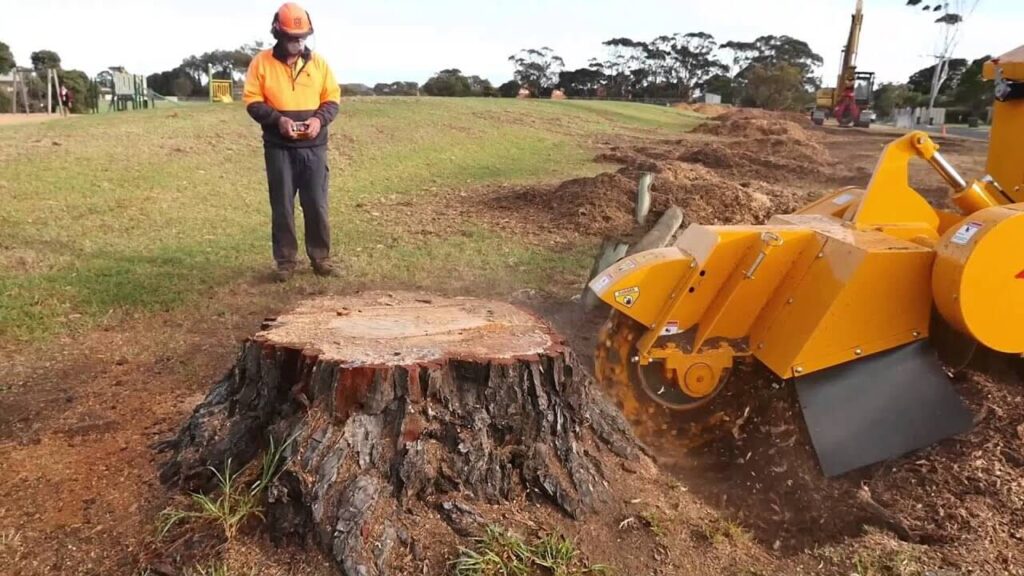
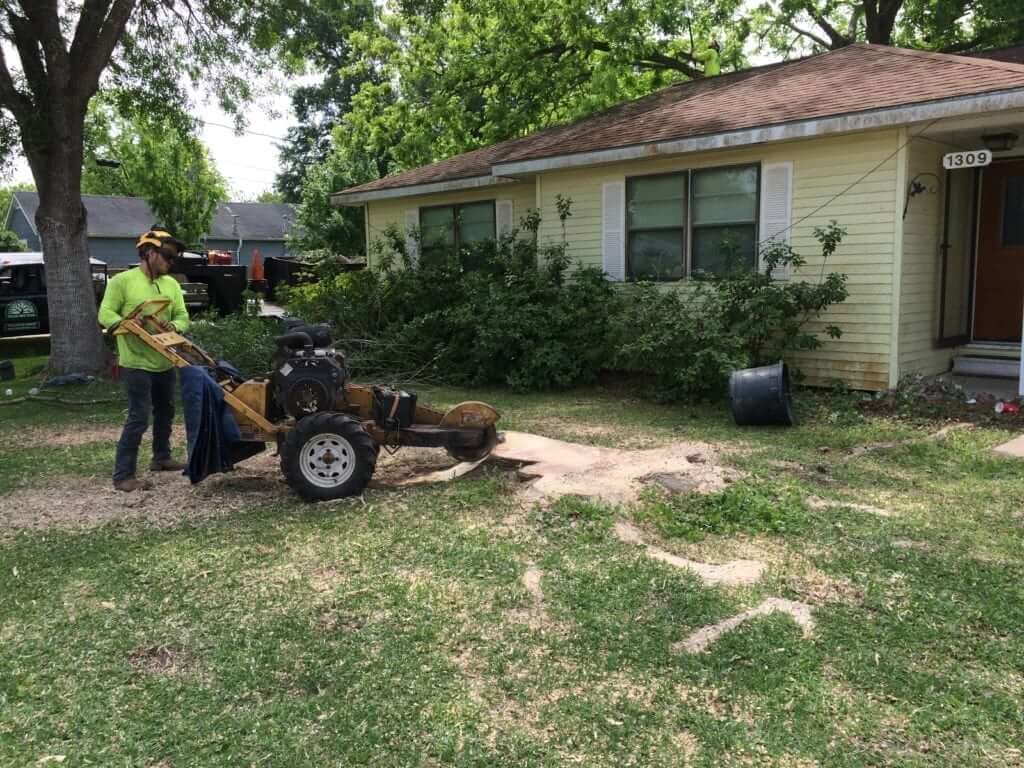
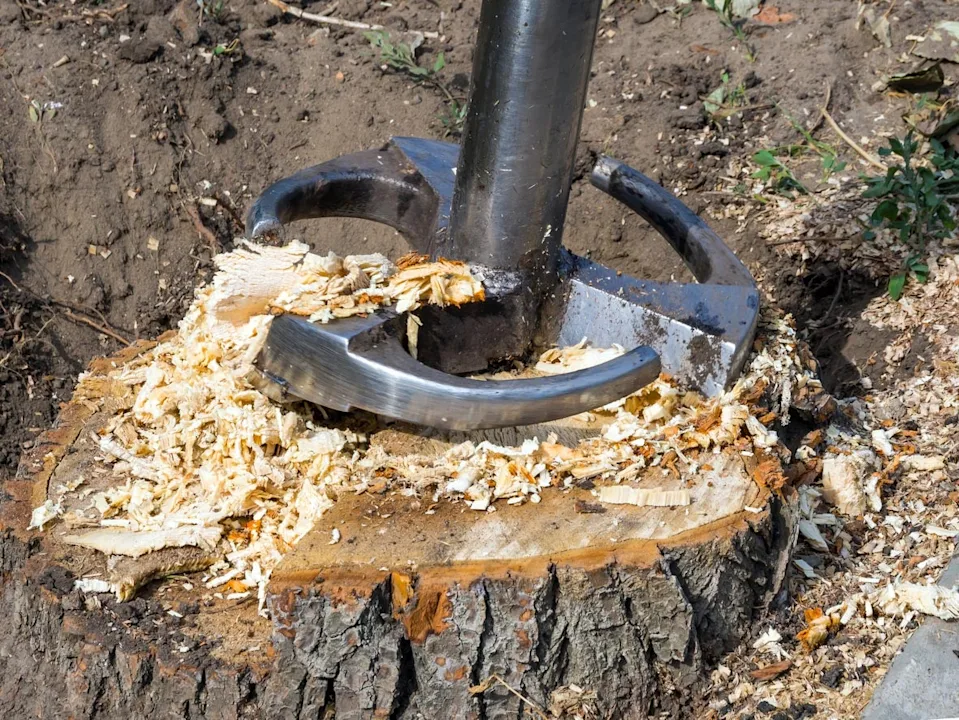
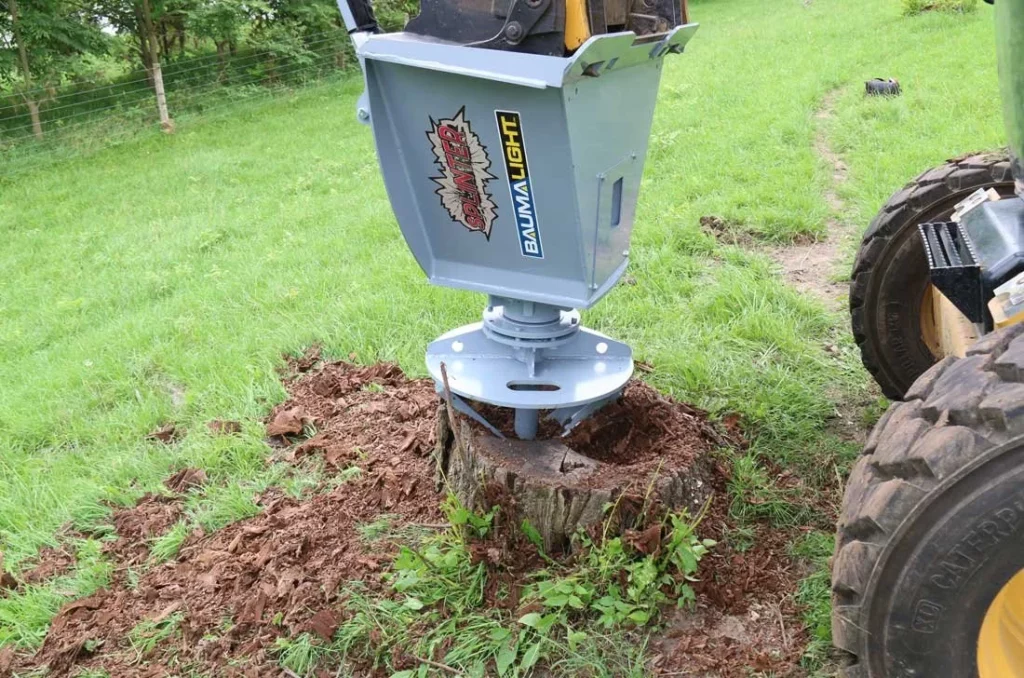
Stump grinding is usually the lower-cost option because it removes the visible stump by shredding it below ground level. Full removal means pulling the stump and major roots out of the ground, which is more labor-intensive and often requires heavier equipment.
If they only need the area leveled for grass, grinding is often enough. If they plan to build, pour concrete, or replant a tree in the same spot, full removal may be necessary.
What factors change the price the most?
Diameter is the biggest driver because it determines time on the grinder and wear on teeth. Location matters just as much, since stumps near fences, rocks, utilities, or tight gates slow the work and add risk.
Hardwood species, multiple trunks, deep root flares, steep slopes, and muddy access can all push a quote higher because they increase labor and equipment effort.
Why do some companies charge per inch?
Per-inch pricing is a quick way to tie the quote to stump size, typically measured across the widest point at ground level. It is simple, but it can be misleading when stumps flare wide at the base or have multiple stems.
Homeowners should confirm exactly where they measure, whether roots or buttress flares are included, and what the minimum trip fee is.
What add-on services can increase the final bill?
Many stump quotes cover grinding only and leave the cleanup optional. Hauling chips away, bringing in topsoil, reseeding, and regrading can add meaningful cost, especially if they want the area “ready to landscape.”
Other common add-ons include cutting surface roots, removing rocks in the work zone, and grinding deeper than the standard depth.
Do they need permits or utility marking?
Utility marking is often required before grinding, especially near sidewalks, driveways, or street-side trees. In many areas, they can request a locate service, but scheduling can affect timing and sometimes adds a service fee.
Permits are less common for stump work than for tree removal, but local rules vary. Homeowners should ask whether the contractor will handle locates and whether any municipal requirements apply.
How much should they budget for multiple stumps?
Multiple stumps are often cheaper per stump because the crew’s travel and setup are spread across the job. Companies frequently offer tiered pricing when several stumps are on the same property and accessible without moving equipment far.
They should still expect the largest stump to dominate the quote, with smaller ones priced as add-ons rather than evenly split.
When is DIY stump removal cheaper, and when is it a mistake?
DIY can be cheaper only when they already have the tools, the stump is small, and they have time. Renting a stump grinder may look affordable, but delivery, fuel, safety gear, and damage deposits can narrow the savings quickly.
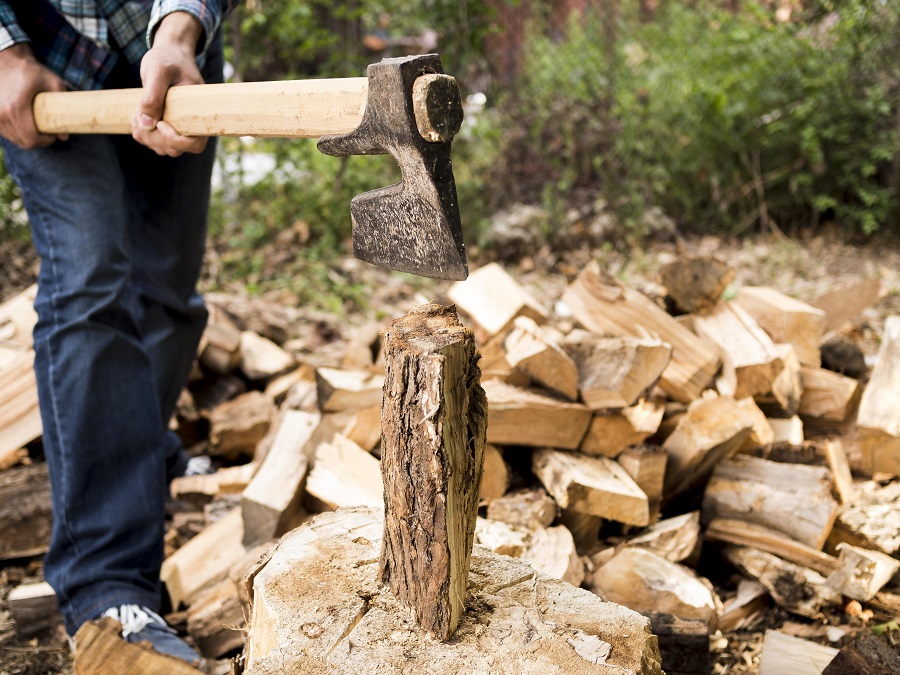
DIY becomes risky when the stump is large, close to utilities, or in a tight area. In those cases, a professional often costs less than the potential repair bill or injury. Learn more about tree trimming cost: 7 factors that influence pricing.
What questions should they ask before accepting a quote?
They should confirm the grinding depth, whether surface roots are included, and what happens to the wood chips. They should also ask about access requirements, gate width needed, and whether the quote assumes a clear path.
A solid quote should state the total price, what is included, and what triggers extra charges. If they want restoration, they should ask for it in writing rather than assuming it is included.
How can they reduce stump removal costs?
They can bundle stumps into one visit, clear access to the work area, and remove obstacles like stones, planters, or yard décor beforehand. If they are fine keeping chips on-site, they can often avoid hauling fees by using them as mulch.
Scheduling flexibility can also help. Some companies offer better rates when they can route the job near other work or fill an open slot.
What should they expect to pay overall?
They should expect a basic stump grinding job to be one of the more affordable outdoor services, but costs can climb fast with size, difficult access, and cleanup. The most accurate number comes from an on-site look, especially for large or awkward stumps.
If they collect two to three itemized quotes and confirm inclusions, they can usually avoid surprise fees and choose the right level of removal for their plans.
FAQs (Frequently Asked Questions)
What factors influence the cost of stump removal?
Stump removal costs vary widely based on stump size, location, and difficulty. Diameter is the biggest price driver as it affects grinding time and equipment wear. Location near fences, rocks, utilities, or tight gates adds complexity and risk. Hardwood species, multiple trunks, deep root flares, steep slopes, and muddy access also increase labor and equipment effort, pushing the quote higher.
How do stump grinding and full stump removal differ in cost and process?
Stump grinding is generally less expensive as it shreds the visible stump below ground level. Full removal involves pulling out the stump and major roots entirely, requiring more labor and heavier equipment. Grinding suffices if you want to level the area for grass; full removal is necessary for building, pouring concrete, or replanting in the same spot.
Why do some companies charge for stump removal per inch, and what should homeowners clarify?
Per-inch pricing ties the quote to stump size measured across the widest point at ground level. While simple, it can be misleading with wide flares or multiple stems. Homeowners should confirm where measurements are taken, whether roots or buttress flares are included, and what minimum trip fees apply to avoid surprises.
What additional services can increase the final stump removal bill?
Many quotes cover grinding only; add-ons like hauling chips away, bringing in topsoil, reseeding, regrading, cutting surface roots, removing rocks in the work zone, and grinding deeper than standard depth can significantly raise costs—especially if you want the area ready for landscaping.
Are permits or utility markings required for stump removal?
Utility marking is often required before grinding near sidewalks, driveways, or street-side trees to prevent damage. Some areas offer locate services which may add scheduling time or fees. Permits are less common than for tree removal but vary locally. Homeowners should ask if contractors handle locates and check municipal requirements beforehand.
How can homeowners reduce their stump removal costs effectively?
To save costs, bundle multiple stumps into one visit to spread travel and setup fees. Clear access by removing obstacles like stones or yard décor to speed work. Keeping wood chips onsite as mulch avoids hauling fees. Flexible scheduling may secure better rates if companies can route jobs nearby or fill open slots.