
Most people only notice high visibility workwear when it fails. Someone blends into a grey dawn. A vest looks bright in the lunchroom but disappears near headlights. A delivery driver steps onto a wet verge and the reflective tape is… nowhere.
Bad specs do not just create annoying admin. They create gaps. In compliance, in comfort, in brand reputation, and sometimes in safety outcomes.
This article breaks down what typically goes wrong when hi vis clothing is specified badly across Australian sites, fleets, councils, warehouses, and rail corridors. Not in theory. In the boring, costly, everyday way it actually happens.
What does “specified badly” actually mean for hi vis clothing?
It means the garment requirements are vague, copied from an old contract, or based on assumptions rather than the real work environment. It also means the buyer cannot clearly prove the garments meet the right Australian standards for the task.
When hi vis clothing is specified badly, the wrong class, colour, fabric, or reflective configuration gets purchased. Then everyone is stuck with stock they cannot use, or worse, they use it anyway.
Why do teams end up with the wrong compliance class?
They often specify “hi vis” as a generic category, without calling up the correct standard and garment class. The result is garments that look bright but are not appropriate for the risk profile.
In Australia, visibility workwear is typically specified to AS/NZS 4602.1 for high visibility garments, with day, night, or day/night performance. If a site needs day/night and receives day-only polos, hi vis clothing becomes a box ticking exercise, not a control.

How do colour choices create problems on Australian sites?
They pick a colour that clashes with the environment, the role, or the client requirement. Bright yellow works well in many places, but not all. Orange is common around road and rail, but it is not automatically “better”.
Bad specs also ignore fading. A fluorescent yellow that looks correct on delivery can wash out quickly in the Pilbara sun. Then hi vis clothing quietly slips below what people expect, long before anyone replaces it.
What goes wrong with reflective tape layouts and performance?
They specify “reflective tape” without defining placement, width, or performance expectations. Or they approve a layout that technically complies, but does not suit how workers move and bend.
Tape can be blocked by harnesses, backpacks, tool belts, and wet weather layers. If the spec does not consider that, the wearer’s visibility at night drops. Hi vis clothing ends up reflective in the wrong places, at the wrong time.
Why do fabrics and garment weights cause unexpected failures?
They select fabric based on price or catalogue descriptions rather than site conditions. Heavy cotton might be great for welders, but awful for humid coastal work. Light polyester might breathe, but melt risk matters near heat sources.
Inaccurate fabric specs also lead to premature tearing, seam blowouts, or shrinkage. Then hi vis clothing becomes a constant replacement cycle, which looks cheap but costs more.
How can poor sizing specs undermine safety and productivity?
They forget sizing is a specification issue, not a “figure it out later” issue. If the range does not cover real bodies, people wear tight garments that restrict movement, or oversized garments that snag.
This matters with women’s fits, tall sizing, and seasonal layering. If a winter jacket is specified without allowance for hoodies beneath, hi vis clothing becomes uncomfortable, and people stop wearing it properly.
What happens when the spec ignores the actual job tasks?
They buy the same garments for everyone because it is easier. Then a traffic controller, a forklift operator, and a site supervisor all receive identical kits even though the hazards differ.
A good spec maps garments to tasks. Wet weather. Night works. Bushfire smoke. Vehicle interactions. If the spec ignores this, hi vis clothing is treated like uniform branding instead of PPE aligned to risk.
Why do laundering and care requirements get overlooked?
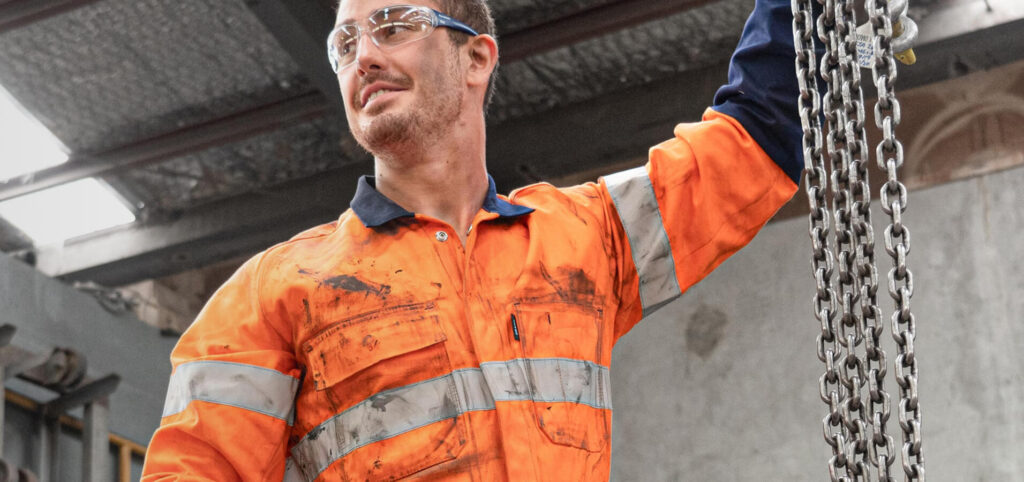
They assume workers will “just wash it”, and they do not specify industrial laundering compatibility, colour fastness expectations, or tape durability. Then reflective performance drops after a few wash cycles.
Some councils and utilities use industrial laundries. Others rely on workers laundering at home. Without clear care labelling expectations and replacement triggers, hi vis clothing degrades silently until it is essentially decorative.
How do logos, printing, and heat transfers create compliance headaches?
They add large logos over fluorescent panels or reflective tape, or they place dark prints that reduce the visible background area. It looks fine in a mock-up, then it fails a compliance check, or triggers a client audit issue.
Sometimes the garment is compliant before branding, then non-compliant after. A good spec controls logo size, placement, and methods. Without that, hi vis clothing becomes a branding project that accidentally reduces visibility.
What are the most common procurement mistakes that drive poor outcomes?
They specify by product name only, or they allow “or equivalent” without defining what equivalent actually means. Then suppliers substitute fabrics, tape, or garment patterns to hit price points.
They also forget to lock down change control. A sample is approved, then bulk delivery differs slightly. With hi vis clothing, “slightly” can mean different tape, different colour, different compliance markings, and no one catches it until it is on site.
How do Australian weather and geography amplify specification errors?
They underestimate extremes. Darwin humidity. Melbourne cold snaps. Perth heat. Canberra frosts. Regional NSW dust. Coastal salt air. Far North Queensland storms. All of it hits garments hard.
If the spec does not plan for UV exposure, ventilation, wet weather systems, and seasonal rotation, hi vis clothing fails earlier and gets worn less. People adapt by unzipping, rolling sleeves, or swapping layers that are not visible.
What does a bad hi vis clothing spec cost, beyond the purchase order?
It costs rework. Time spent in toolbox talks explaining exceptions. Returns and reorders. Friction between procurement and safety teams. Delays to mobilisation, especially for projects with strict site entry requirements.
There is also reputational cost. Clients notice inconsistent PPE. Workers notice cheap gear. And when hi vis clothing looks poor or performs poorly, it undermines confidence in other safety controls too.
How can teams specify hi vis clothing properly, without overcomplicating it?
They start with the environment and the task, then work backwards into the standard, class, and garment design. They also define the “must haves” and the “nice to haves” clearly, so substitutions cannot sneak in.
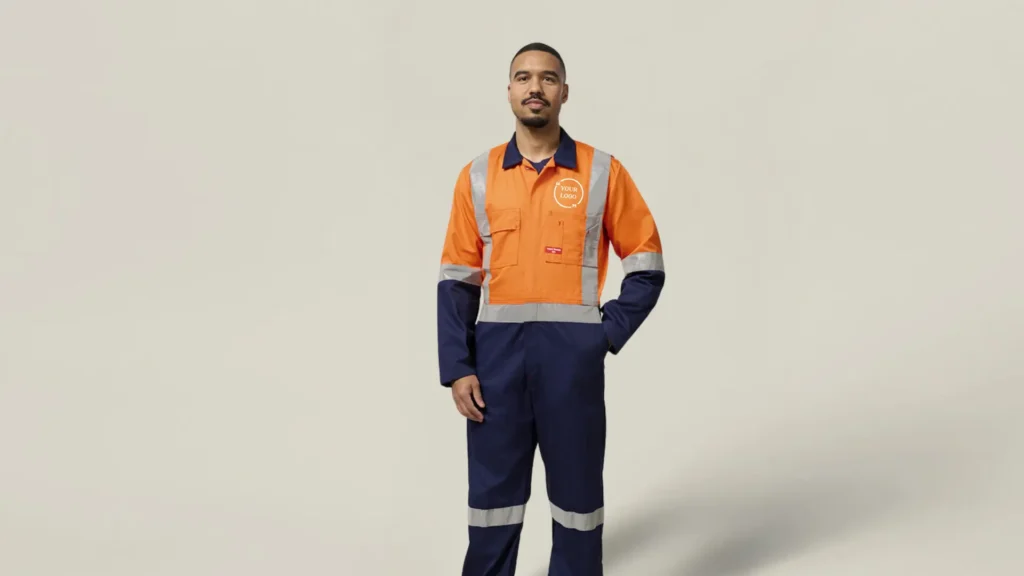
At minimum, a practical Australian spec for hi vis clothing typically includes: required AS/NZS standard, day or day/night requirement, colour, tape configuration, fabric composition and weight, size range, branding rules, laundering expectations, and a sample approval process tied to the bulk delivery.
FAQs (Frequently Asked Questions)
What does ‘specified badly’ mean for hi vis clothing on Australian sites?
‘Specified badly’ means the garment requirements are vague, copied from old contracts, or based on assumptions rather than the real work environment. It also indicates that buyers cannot clearly prove the garments meet the correct Australian standards for the task, leading to wrong class, colour, fabric, or reflective configurations being purchased.
Why do teams often end up with the wrong compliance class of hi vis clothing?
Teams frequently specify ‘hi vis’ as a generic category without referencing the correct standard and garment class. In Australia, hi vis clothing should comply with AS/NZS 4602.1 for day, night, or day/night performance. Receiving day-only garments when night visibility is required turns hi vis clothing into a mere box-ticking exercise rather than an effective safety control.
How can colour choices affect the effectiveness of hi vis clothing in Australia?
Colour choices can clash with the environment, role, or client requirements. While bright yellow works well in many settings, it may not be suitable everywhere. Orange is common around road and rail but isn’t automatically better. Additionally, fluorescent colours can fade quickly under harsh conditions like the Pilbara sun, reducing visibility before replacements occur.
What issues arise from poor reflective tape layouts and performance in hi vis clothing?
Specifying ‘reflective tape’ without defining placement, width, or performance leads to tape being blocked by harnesses, backpacks, tool belts, or wet weather layers. Even compliant layouts may not suit worker movement and bending patterns, causing reduced visibility at night and rendering hi vis clothing reflective in ineffective areas.
Why is fabric choice critical for hi vis clothing’s durability and comfort?
Selecting fabric based solely on price or catalogue descriptions rather than site conditions causes problems. Heavy cotton suits welders but is unsuitable for humid coastal areas; light polyester breathes but poses melt risks near heat sources. Poor fabric specifications result in premature tearing, seam blowouts, shrinkage, and increased replacement costs.
How do laundering and care practices impact the longevity of hi vis clothing?
Assuming workers will ‘just wash it’ overlooks industrial laundering compatibility, colour fastness, and tape durability needs. Without clear care labelling and replacement triggers, reflective performance degrades after a few washes. Variations between industrial laundry use and home washing cause silent deterioration until garments become merely decorative.
SEE ALSO: How Commercial Real Estate Asset Management Improves ROI